
Research on marine sponges could help treat tropical disease
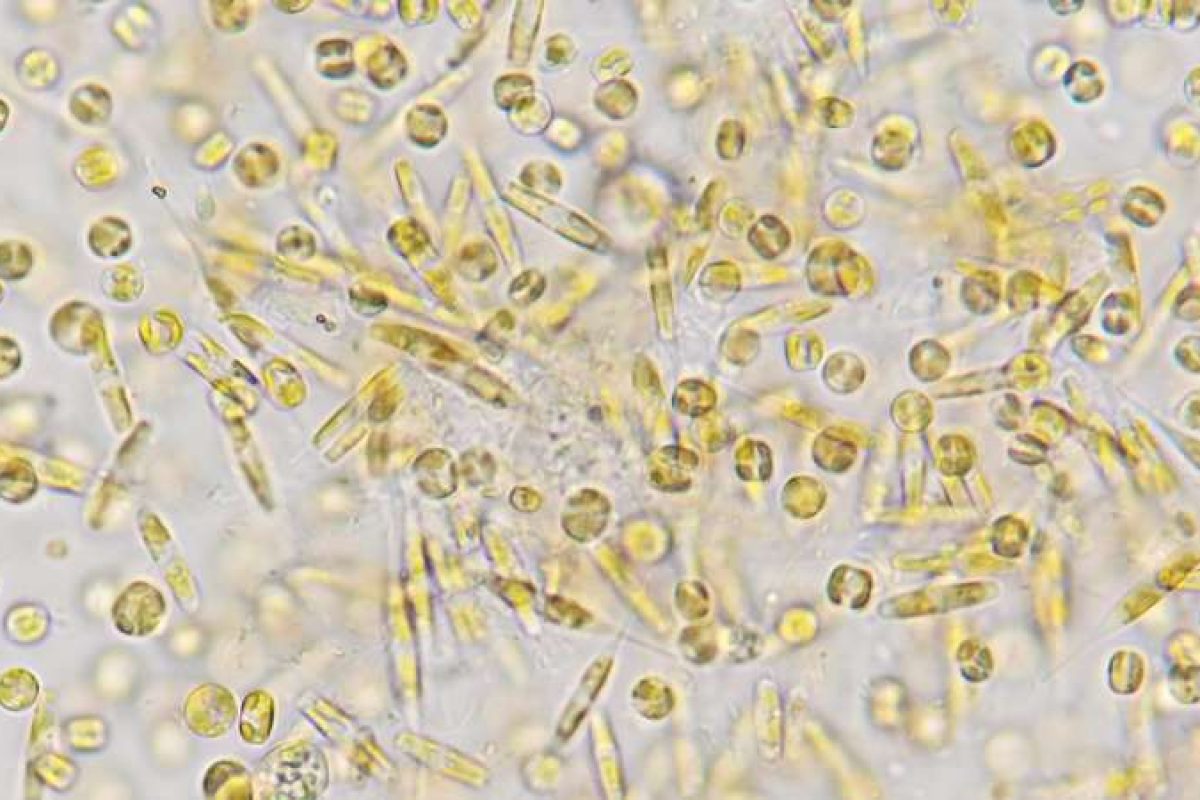
Marine sponges could hold the answer to treating leishmaniasis, a neglected tropical disease, according to new research by the Tokyo University of Science and the University of the Ryukyus in Japan.
A research team led by Associate Professor Kanami Mori-Yasumoto from the Faculty of Pharmaceutical Sciences at Tokyo University of Science isolated 10 natural compounds from the marine sponges collected in Manza, on the Pacific island Okinawa. The findings, published in Marine Biotechnology, show that Theonella sponges demonstrated effectiveness against Leishmania major, the representative species of parasite that causes leishmaniasis.
Leishmaniasis is prevalent across 90 countries and affects approximately 12 million people worldwide. The disease, caused by unicellular parasites known as Leishmania protonza, leads to skin sores that can develop into deep ulcers, often leaving permanent scars and causing psychological trauma. The disease disproportionately affects poorer communities where medical care is out of reach.
Various treatments for leishmaniasis do exist but are severely limited. Current drugs, such as antimonial compounds and amphotericin B, are hindered by high toxicity, serious side effects, and prohibitively high costs, leaving many patients unable to complete therapy. There is an absence of vaccines and diagnostic tools, and drug resistance is becoming increasingly common, leaving healthcare providers with inadequate tools to prevent the spread of the disease.
Researchers found that compounds, known as onnamides and found in Theonella sponges, were effective treatments for leishmaniasis. Onnamide A and 6,7-dihydro-onnamide A offered the most impressive results, demonstrating potency and a favourable safety profile far exceeding current treatments.
Dr Mori-Yasumoto highlighted that the results offer promise for future treatments.
“It may be possible to develop mass-production platforms for onnamide synthesis using modern culturing technology and symbiotic bacteria, ensuring a sustainable source,” he said.
Findings represent ‘significant milestone in Japan’s contribution to research’
Further investigation into the mechanism of action of onnamide compounds revealed that onnamide A appears to combat Leishmania major through a pathway distinct from that of amphotericin B, which typically works by interacting with ergosterol in the parasite’s cell membrane. This could guide scientists to new approaches to treatment, helping them overcome existing drug resistance.
The discovery of onnamide G, whose structure was revealed for the first time in this study, also provides new insights into the structural diversity and potential mechanisms of action of onnamides.
Researchers also observed that onnamides did not just kill the parasite but also spared human cells due to their low toxicity and high selectivity. These advantages position onnamides as highly promising compounds for the development of new treatments for leishmaniasis.
Dr Mori-Yasumoto highlighted the broader impact of the study, saying: “It may also be possible to apply these compounds to other protozoan diseases, such as Chagas disease and African sleeping sickness.”
Further research is being conducted to verify the potential of onnamides as suitable lead compounds in the AMED Drug Discovery Booster program, a Japanese initiative focused on supporting scientific studies to turn promising drug candidates into new medicines.
“This research is the first step in bringing new treatment options to patients around the world and represents a significant milestone in Japan’s contribution to research on neglected tropical diseases,” Dr Mori-Yasumoto added.
Bruno Quinney, Content Team, DDW