
Molecular glue degrader progresses to Phase I trials
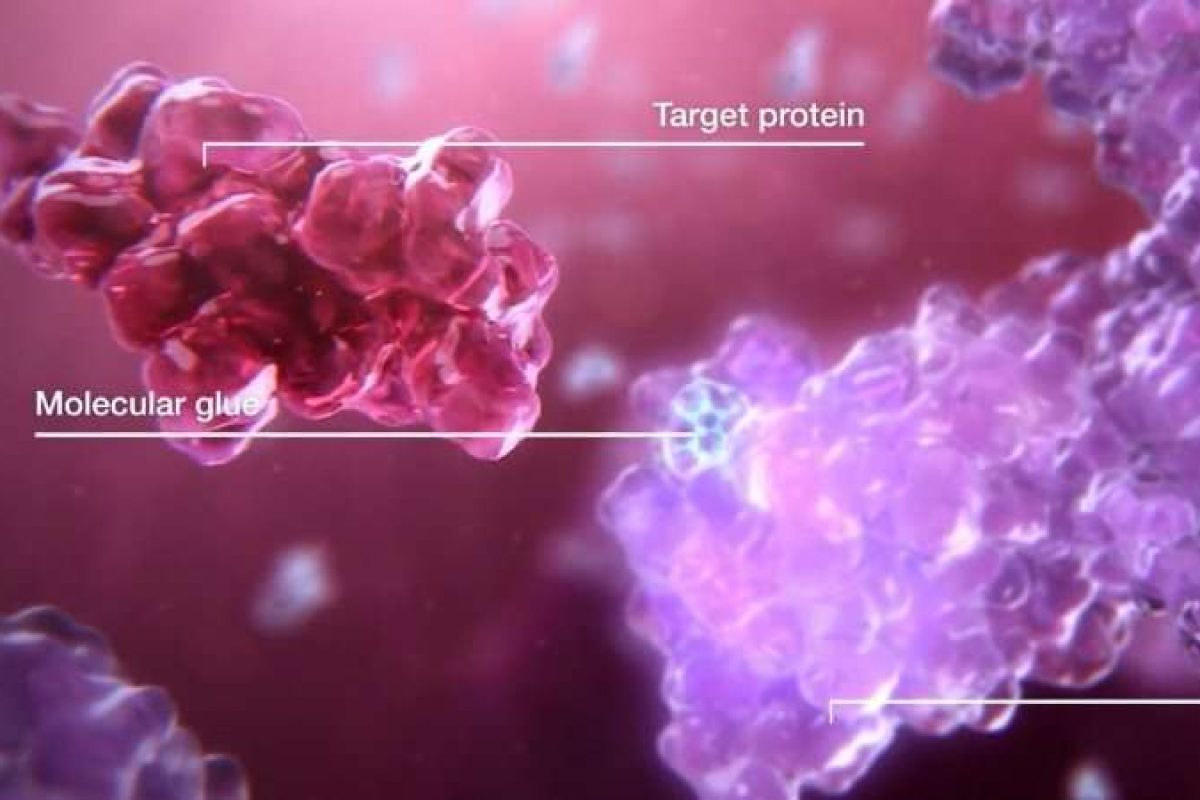
Monte Rosa Therapeutics has dosed the first subjects in a Phase I study evaluating MRT-8102, a NEK7-directed molecular glue degrader (MGD) being developed for the treatment of inflammatory conditions driven by the NLRP3 inflammasome, IL-1β, and IL-6.
Initial results from the Phase I study are expected in H1 2026.
Markus Warmuth, Chief Executive Officer of Monte Rosa Therapeutics, said: “MRT-8102 is the only clinical-stage MGD that selectively targets NEK7, a protein central to NLRP3 inflammasome activation and the downstream dysregulation of IL-1β and IL-6 that underlie multiple inflammatory diseases. We believe MRT-8102 could offer a differentiated approach to treating these diseases based on the exciting potency, selectivity, and durable pharmacodynamics seen in our preclinical studies.”
The MRT-8102 Phase I study is a randomised, double-blind, placebo-controlled trial in healthy volunteers that includes both single ascending dose (SAD) and multiple ascending dose (MAD) cohorts.
The study is designed to evaluate safety and tolerability, pharmacokinetics (PK), and pharmacodynamics (PD), including NEK7 degradation and ex vivo responses to inflammasome stimulation.
Part 3 of the Phase I study is a randomised, placebo-controlled trial that will enrol subjects with increased CVD risk due to obesity and elevated CRP, designed to evaluate safety and tolerability, change in CRP levels, pharmacokinetics, and changes in other inflammatory markers.
MRT-8102 is a potent, highly selective, and orally bioavailable investigational MGD that targets NEK7 for the treatment of inflammatory diseases linked to NLRP3, IL-1β, and IL-6 dysregulation.
Aberrant NLRP3 inflammasome activation and the subsequent release of active IL-1β and interleukin-18 (IL-18) has been implicated in multiple inflammatory disorders, including cardiovascular disease, gout, osteoarthritis, neurologic disorders including Parkinson’s disease and Alzheimer’s disease, and metabolic disorders.
In a non-human primate model, MRT-8102 was shown to potently, selectively, and durably degrade NEK7, and resulted in near-complete reductions of IL-1β and caspase-1 following ex vivo stimulation of whole blood.
Diana Turner, Senior Digital Content Editor, DDW