
Could extracellular vesicle therapy prevent dementia?
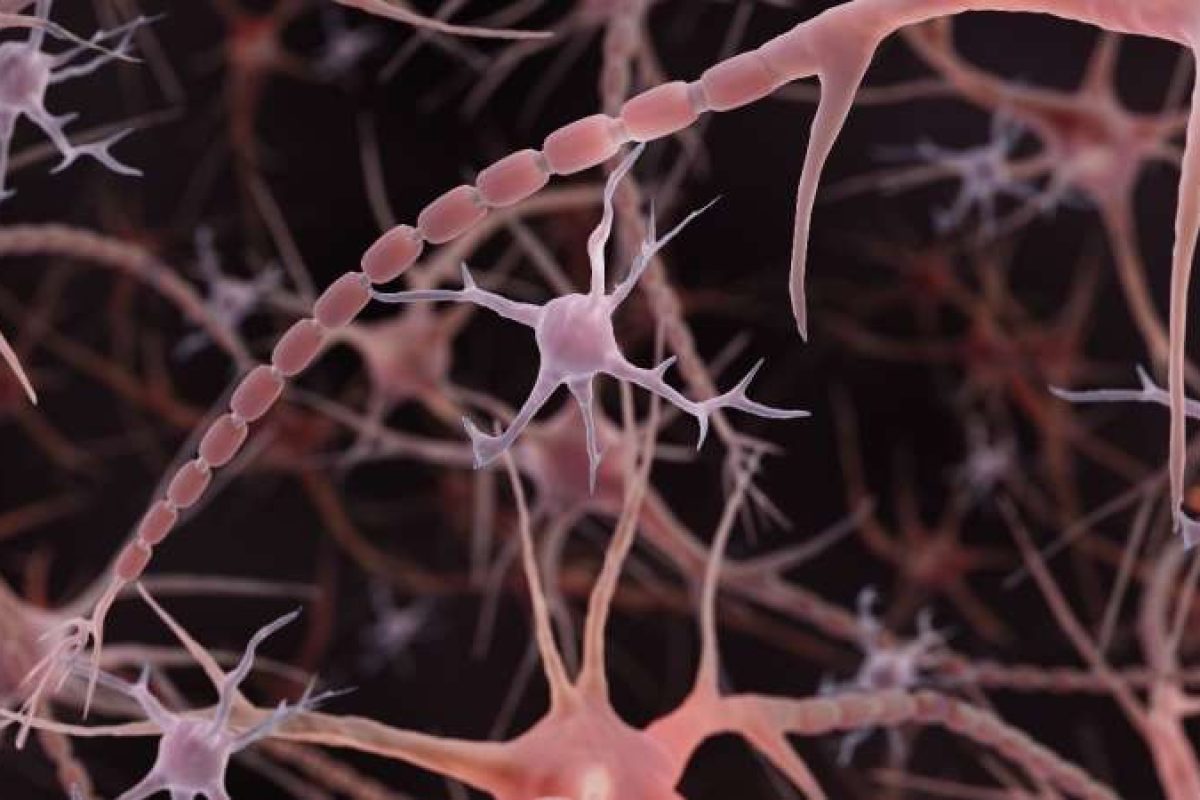
A new research project will test whether extracellular vesicle (EV) therapy can prevent—or even reverse—inflammation in the brain linked to dementia.
Texas A&M Health and the Division of Research created the Dementia & Alzheimer’s Research Initiative (DARI) to prevent, more quickly detect and more effectively treat dementia.
DARI recently awarded $1.325 million in seedling grants to support 11 research projects aimed at Alzheimer’s disease and other dementias.
Karienn Souza, Research Assistant Professor at the Texas A&M University Naresh K Vashisht College of Medicine, is one of the inaugural 2026 seedling grant awardees. Last year, Souza published a study which found that dysregulated circadian rhythms led to activated microglia.
Souza said: “Microglia are immune cells in your brain. They change shape depending on what’s happening in your body or brain. They can go from normal, functioning cells to inflammatory-response type cells, where they can atrophy or change shape depending on the type of inflammation or condition your brain is in.”
The hypothesis is that when microglia malfunction, debris, damaged cells and even amyloid plaques can accumulate in the brain. Over time, that buildup may contribute to the development or worsening of dementia symptoms.
In Souza’s funded DARI project, the team is attempting to target microglia by applying the same model to test an EV therapy developed by Ashok Shetty, Distinguished Professor of Cell Biology and Genetics at the Vashisht College of Medicine.
EV therapy works by releasing nano-sized particles, called extracellular vesicles, derived from stem cells that contain protective proteins. Once inside the brain, these EVs interact with microglia and send anti-inflammatory signals to the microglia, allowing them to continue performing their job without shifting into a stress-primed state. By preserving healthy microglia, the brain experiences less of the inflammation and damage associated with Alzheimer’s disease.