
City St George’s partners to develop new osteoarthritis drug
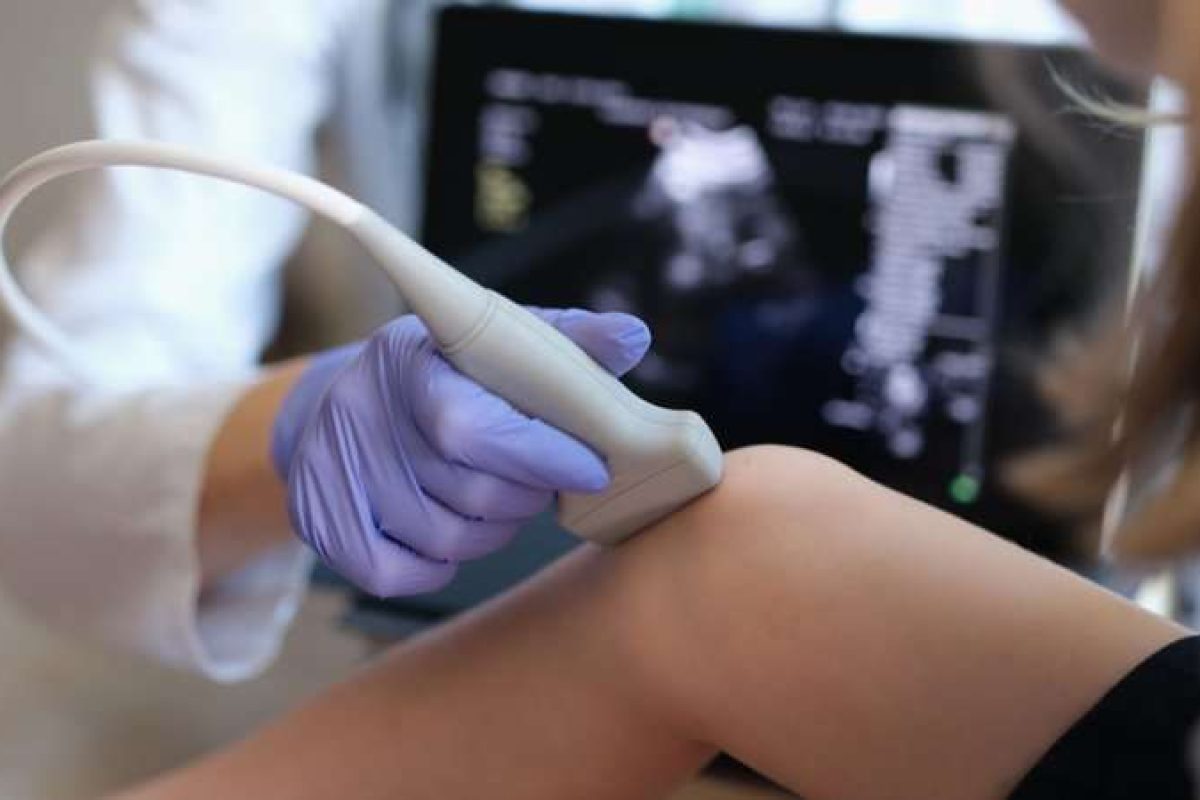
City St George’s is partnering with drug development company Paradigm Biopharmaceuticals to test a drug that could become a new treatment option for osteoarthritis.
The UK-Australian partnership will investigate the effect of injectable pentosan polysulfate sodium (iPPS) – a drug currently being trialled for knee osteoarthritis by Paradigm Biopharmaceuticals – on bone marrow lesions (BMLs) from biopsies taken during total knee replacement surgery.
Osteoarthritis affects around 10 million people in the UK and over 600 million people worldwide, with many of those experiencing knee or hip pain.
For years, it has been well known that pain is linked to damage in the cartilage that cushions the knee joint, but Professor Nidhi Sofat’s team at City St George’s discovered that pain is also often associated with tiny fluid-filled ‘rips’ in the bone called BMLs.
“Bone marrow lesions represent one of the most significant and painful aspects of osteoarthritis, yet we still have much to learn about how best to target them,” said Professor Nidhi Sofat, Professor of Rheumatology in the School of Health & Medical Sciences at City St George’s, University of London.
“This collaboration has the potential to deepen our understanding of how pentosan polysulfate works in osteoarthritis.
“If the drug improves the bone marrow lesions and reduces pain, we hope that it could one day be a new and much-needed treatment option for the millions of people living with osteoarthritis and chronic pain globally.”
Unique technology to further understanding of PPS
iPPS is a semi-synthetic polysaccharide and glycosaminoglycan mimetic, derived from beechwood hemicellulose, which is being investigated for its potential to reduce inflammation in joint tissues.
It works by blocking a protein complex called NF-κB and is thought it will supress inflammatory processes in different parts of the joint, including the bone, cartilage and the soft tissue lining called the synovium.
Researchers will apply a unique technology for evaluating BMLs, which combines advanced imaging using MRI scans with gene and protein profiling to observe microscopic changes in the bone tissue. This integrated approach will allow them to better understand how BMLs behave and how they respond to the drug PPS.
“This collaboration with City St George’s represents an important step in further understanding the mechanism of action of PPS, particularly in relation to bone marrow lesions, which are increasingly recognised as a key driver of pain in osteoarthritis,” said Paul Rennie, Paradigm Founder and Executive Chair.
“Paradigm is delighted to be working with one of the most advanced rheumatology research centres globally on this important programme. By combining advanced imaging with molecular profiling, this study has the potential to generate valuable translational data supporting PPS’ activity across multiple joint tissues.
“These insights complement our ongoing Phase III programme and reinforce the broader disease-modifying potential of PPS in osteoarthritis.”