
International study will investigate RSV prevention in infants
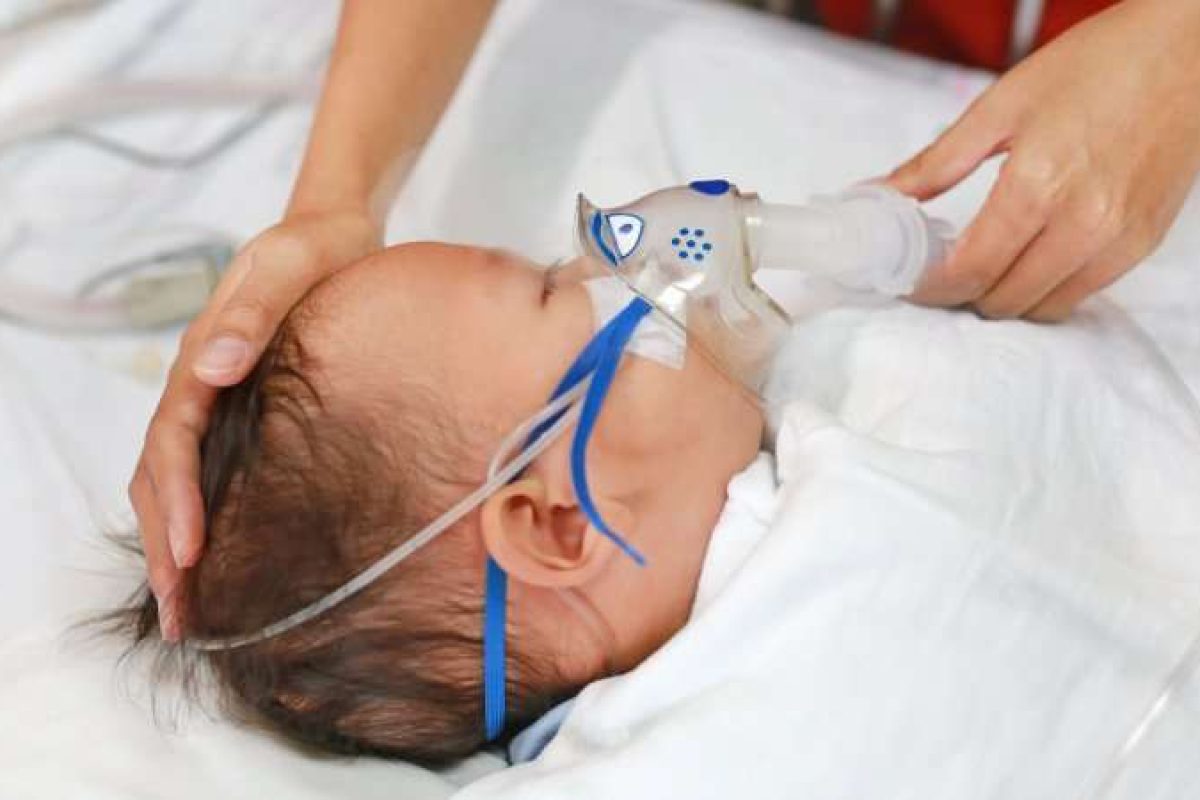
A new international clinical trial has been launched to compare existing prevention options to protect babies from respiratory syncytial virus (RSV).
The PIPELINE-RSV trial, sponsored by Penta, will evaluate two licensed RSV prevention tools. The RSV vaccine which is routinely offered to all pregnant individuals in the UK will be given to mothers during pregnancy in this trial, which allows protective antibodies to pass to the baby through the placenta, protecting them in their first months of life.
Infants may then be given the long-acting monoclonal antibody, Nirsevimab, when they are four months old. The team will investigate whether combining these two approaches could provide even greater protection than vaccination alone.
Researchers at City St George’s, University of London’s Vaccine Institute, who are leading the trial, have opened the first UK site at St George’s University Hospitals NHS Foundation Trust.
Dr Eva Galiza, Senior Clinical Research Fellow and study lead from City St George’s, University of London, said: “RSV affects thousands of families every year, yet we still have important questions about how to best protect the youngest infants. This study is an exciting opportunity to build the robust evidence needed to guide future care.
“We’re proud to lead this vital work funded by the European Union, which has the potential to benefit families across the UK and beyond.”
Across Europe, the RSV study will recruit 1,500 pregnant women from the UK, Switzerland, Belgium and the Netherlands, with a parallel study in France expected to enrol a further 1,000 participants. Together, these studies will generate the most comprehensive evidence yet on how to prevent RSV in early life.