
NICE recommends first bispecific antibody to treat lymphoma
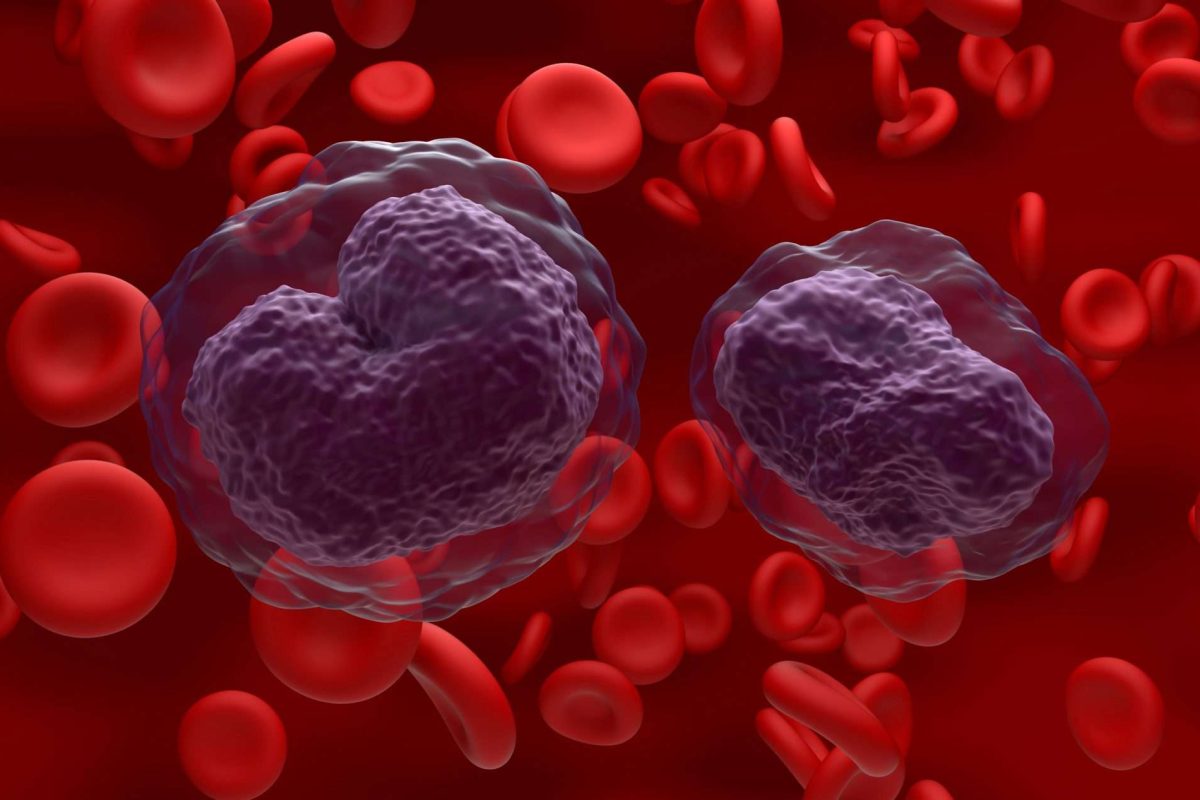
The National Institute for Health and Care Excellence (NICE) has recommended the first bispecific antibody for the treatment of follicular lymphoma (FL).
Tepkinly (epcoritamab), developed by biopharmaceutical company AbbVie, has been recommended to the NHS as an option to treat adult patients with FL whose cancer has returned or who have not responded to at least two prior treatments.
According to the recommendation, epcoritamab can be offered as a treatment option only if it is stopped after three years of treatment or earlier if the lymphoma progresses.
Follicular lymphoma is the most common form of low-grade non-Hodgkin’s lymphoma (NHL), affecting 20% of people with NHL in the UK. It is slow growing and incurable, meaning most people with the disease will require ongoing treatment and lifelong monitoring.
In early stages, patients may experience long periods of remission, where signs of disease are minimal or undetectable. However, patients often relapse, and each time the cancer returns, the periods of remission become shorter.
NICE recommendation ‘addresses an urgent need’
The NICE recommendation is based on results from the Phase II study of epcoritamab monotherapy in 128 adults with relapsed or refractory FL who had received at least two prior systemic treatments. The study reported an 82% overall response rate, meaning 82% of participants’ blood cancer reduced by at least half (partial response) or showed no evidence of disease from tests and scans (a complete response).
“For people with follicular lymphoma, NICE’s positive recommendation of epcoritamab means that there is now another therapy available for when their lymphoma hasn’t responded to at least two treatments and their options have become increasingly limited,” said Ropinder Gill, Chief Executive at Lymphoma Action.
“We know from talking to people with follicular lymphoma just how deeply each relapse impacts both emotional wellbeing and physical health, causing growing anxiety and uncertainty.
“We very much welcome this decision as it addresses an urgent need for those who face the challenge of having limited treatments available to them”.