
ATW reveals five big shifts for cell and gene therapy
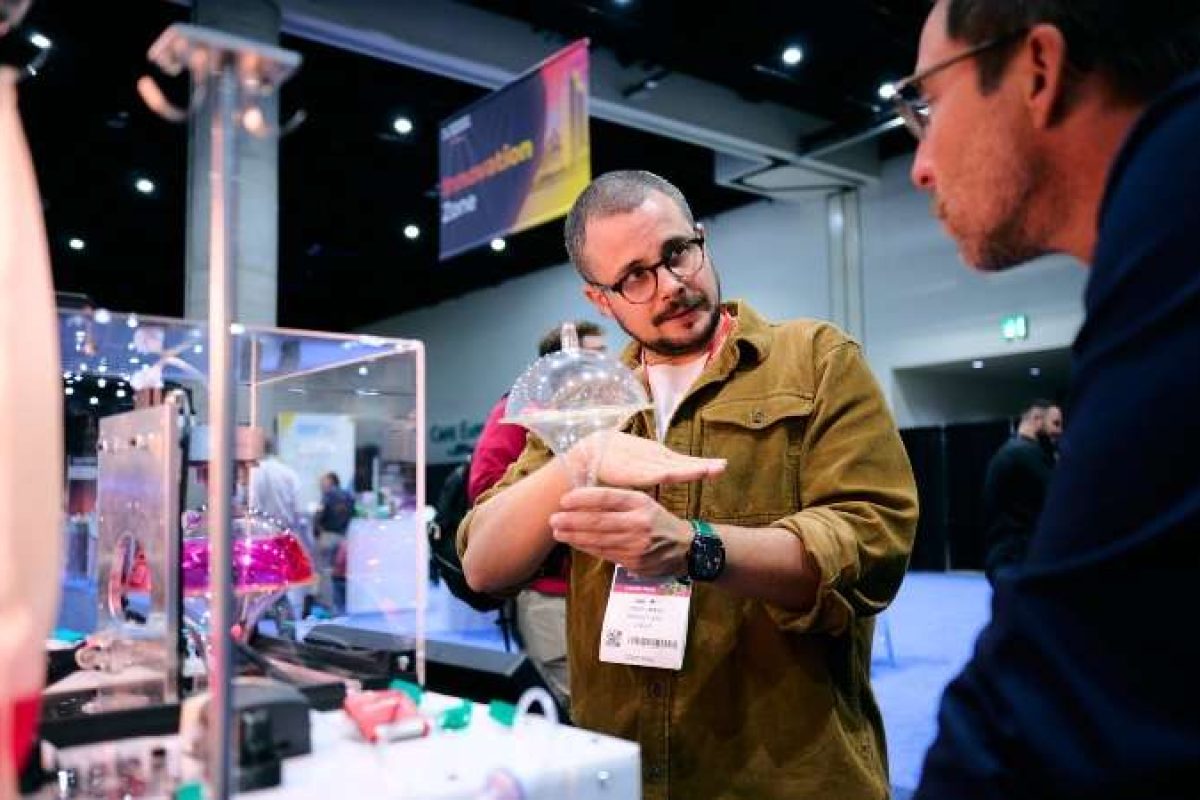
Phacilitate’s 22nd Advanced Therapies Week (ATW) took place in San Diego on 9-12 February, bringing together industry stakeholders from around the world for to showcase progress in cell and gene therapies (CGT).
From manufacturing bottlenecks and regulatory transparency to the rise of in vivo therapies, the week surfaced the themes and technologies most likely to shape CGT’s next decade.
Kimberley Barnes, President at Phacilitate, commented: “After years of scientific breakthroughs, the mood at this year’s Advanced Therapies Week suggested a clear shift: we’ve largely solved for science. The challenge now is building the systems that can carry these therapies the last mile to patients.
“What emerged throughout the week was a sense of grounded optimism – recognition that the sector is finally aligning around the operational, regulatory and funding structures needed to make CGTs truly scalable. ATW 2026 showed an industry ready to move from possibility to practicality, and that mindset will define the year ahead.”
Key themes and takeaways
- In vivo therapies are the next big thing in biotech. With growing big pharma investment signalling confidence in the science, the question is no longer “can we do it?” but “how can we scale it?” Expanding access now hinges on addressing key barriers to point-of-care manufacturing, ensuring hospitals are ready to realistically deliver complex CGTs at scale.
- ATW examined how alternative financing models are giving biotech companies new ways to fund progress at every stage of development. Dr Nicole Paulk, CEO of Siren Biotechnology, discussed raising approximately $5 million through a Regulation Crowdfunding (Reg CF) offering on top of a traditional $20 million Series A round. The experiment demonstrated strong patient engagement and opened a potential new pathway for early-stage biotech capital formation.
- Experts highlighted the rapid evolution of regulatory landscapes, with increased investment in biotech infrastructure worldwide and the imperative for companies to diversify across regions. A key development was the US FDA’s move toward real-time publication of Complete Response Letters (CRLs), promising greater clarity and industry learning – especially for complex cell, gene, and RNA therapies.
- Next‑generation CGT platforms presented at ATW are expanding what advanced therapies can treat and how they can be delivered. For example, LigronBio CEO Nataraj Pagadala presented a gene therapy platform combining mRNA delivery and novel molecular glues to target and degrade toxic protein aggregates, aiming to reverse Alzheimer’s disease.
- ATW panellists addressed the need for greater female representation in senior scientific and leadership roles within the cell and gene therapy sector. Survey data revealed persistent barriers, such as limited access to role models and uncertain career paths, while emphasising the importance of mentorship, sponsorship, and non-linear transitions from academia to industry.