
Research reveals therapeutic target for Parkinson’s
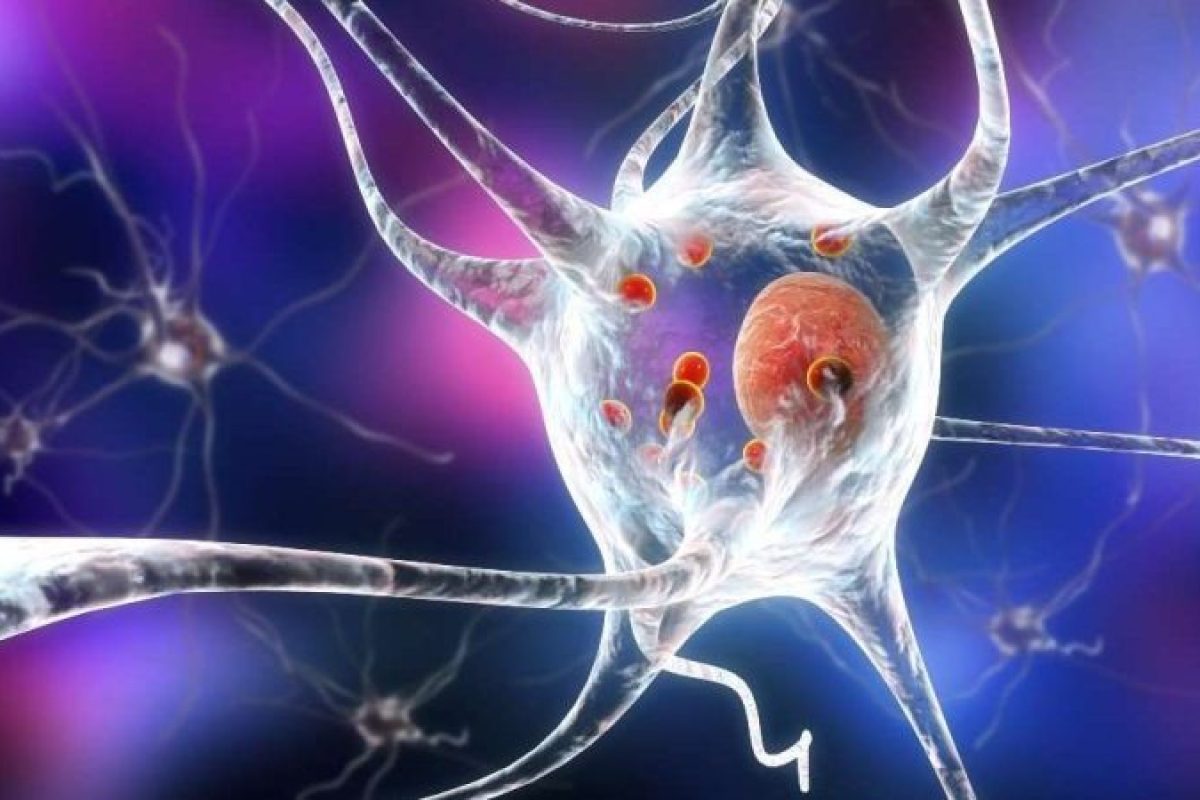
Researchers in Japan have revealed a potential new therapeutic target for Parkinson’s disease.
Scientists at Juntendo University found that liquid droplets of the protein ubiquilin-2 act as a catalyst for the aggregation of a-synuclein, a protein in the brain which is associated with neurodegenerative disorders. Ubiquilin-2 droplets influence the aggregation of a-synuclein and thus fibril formation and the formation of Lewy bodies, the hallmark of Parkinson’s disease pathogenesis.
The research, published in The EMBO Journal, indicates that ubiquilin-2 could be a therapeutic target to prevent the progression of Parkinson’s disease.
“By uncovering the mechanisms that trigger the aggregation process, we hope to find new ways to prevent it and ultimately contribute to the development of disease-modifying treatments,” said Professor Masaya Imoto, who led the study at Juntendo University.
Parkinson’s disease is an age-related, progressive neurodegenerative disorder, with a cure for the disease yet to be discovered. This latest research offers hope for a therapeutic target to prevent harmful aggregation formation and thus the development of Parkinson’s disease.
Bruno Quinney, Content Team, DDW