
ChristianaCare launches first-of-its-kind organoid core
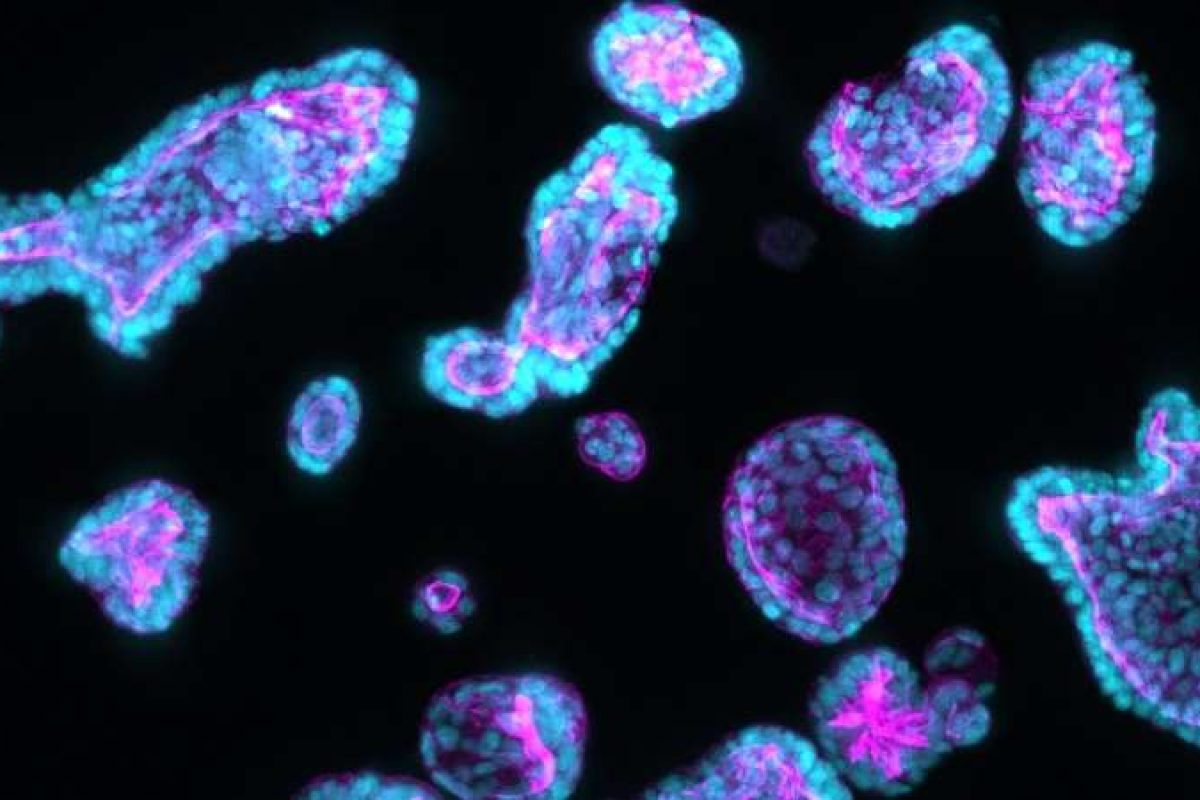
US healthcare organisation ChristianaCare has launched a first-of-its-kind organoid core to personalise cancer treatment.
The organoid core was unveiled at ChristianaCare’s Cawley Center for Translational Cancer Research, with a new laboratory facility in the Helen F Graham Cancer Center & Research Institute.
The new facility will be used to grow and test living, patient-derived tumour models. This will give doctors and researchers faster and more precise ways to identify individual therapies for each patient, enabling personalised cancer treatment.
Individualising cancer treatments could help reduce the cost of treatments, with an estimated $1.3 to $2.8 billion spent on bringing drugs to patients. Up to a third of spending goes towards preclinical development and only one in 10 compounds ever reach human trials. It is hoped the Cawley Center can test therapies more accurately, reduce costs and failure rates, and move promising treatments into clinical trials faster.
Combined with existing tissue collection programmes, clinical trial infrastructure and community partnerships, these resources create a direct pathway to bring lab discoveries to patients faster.
“Our goal is to shorten the distance between discovery and treatment,” said Nicholas Petrelli, Director of the Cawley Center.
“Too many promising drugs fail because early models do not capture the complexity of real tumours. The organoid core helps solve that problem. We can now test therapies in models that reflect the patients we actually serve.”
ChristianaCare intends to use the coming months to build a diverse biobank of tumours, which can then be used for research at the Cawley Center. Plans include collaborations with academic institutions, shared access for external researchers, and development of immune-tumour co-culture models.
Bruno Quinney, Content Team, DDW