
Tonix Pharmaceuticals announces in-licensing of Lyme disease shot
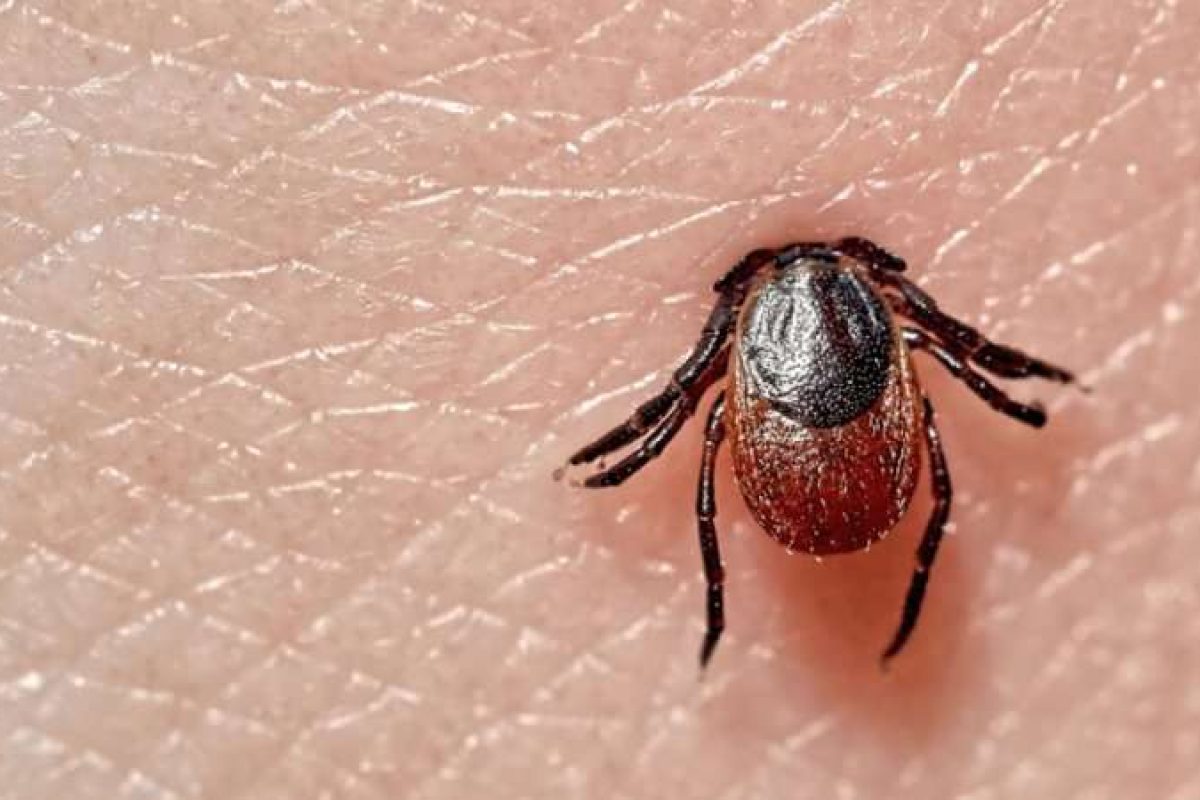
Biopharmaceutical company Tonix Pharmaceuticals has announced the in-licensing of worldwide rights to TNX-4800, a long-acting human monoclonal antibody targeting the prevention of Lyme disease.
TNX-4800 targets the outer surface protein of Borrelia burgdorferi, the causative agent of Lyme disease in humans. TNX-4800 is currently being developed for annual seasonal use, with one shot lasting several months. There are currently no FDA-approved vaccines or prophylactics to protect against Lyme disease.
“Lyme disease remains the most common vector-borne infection in the United States and its incidence is climbing each year,” said Seth Lederman, Chief Executive Officer of Tonix Pharmaceuticals. “Licensing TNX-4800 expands our infectious disease pipeline with a potentially differentiated, single-dose approach that can be given each spring to provide protection within two days and protect through fall, which is the entire tick season in the US.”
“We believe TNX-4800’s long-acting monoclonal antibody prophylaxis could play an important role for preventing Lyme for millions of people who live, work, and vacation in regions endemic for Lyme disease. TNX-4800’s novel mechanism of blocking the maturation of Borrelia in the midgut of infected ticks is consistent with Tonix’s focus on innovation. We look forward to advancing the TNX-4800 programme.”
Although many cases of Lyme disease can be treated successfully with antibiotics, diagnosis and treatment are often delayed or missed. Even with treatment, up to 20% of cases may progress to a Post-Treatment Lyme Disease Syndrome (PTLDS) called “Chronic Lyme” or “Long Lyme”. Chronic Lyme is considered an Infection Associated Chronic Illness (IACI), and is a chronic, debilitating disease state characterised by joint and muscle pain, fatigue and other symptoms.
TNX-4800 is a fully human monoclonal antibody with an engineered extended half-life that targets the outer-surface protein A (OspA) on Lyme-causing Borrelia bacteria. By binding OspA, TNX-4800 blocks the maturation of Borrelia burgdorferi in the mid-gut of infected deer ticks. The mAb 2217LS1 was derived from mAb 2217 by amino acid substitutions that crystallizable fragment (Fc) domain to prolong the serum half-life. A single administration in the Spring is designed to maintain protective antibody titers for the entire tick season, providing pre-exposure prophylaxis against Lyme disease without relying on the recipient’s immune system to generate antibodies.
By delivering a well-characterised antibody directly, TNX-4800 has been shown to block transmission of the major Borrelia genospecies from ticks to animals. TNX-4800 sidesteps the multidose schedules required for OspA vaccines in development3 and FDA-approved vaccines that have been withdrawn from the market due to concerns about increased risk of autoimmunity.
“Preventing Lyme disease is an urgent public health priority, and more than thirty years of clinical experience confirm that monoclonal antibodies can be delivered safely and can be effective in preventing infections,” added Mark Klempner, Professor of Medicine at UMass Chan Medical School and leader of the research team that discovered and developed mAb 2217LS. “We are delighted to be collaborating with Tonix on the development of this programme. TNX-4800 is a single dose and provides immediate immunity to the bacteria that causes Lyme disease, which is very different from Lyme disease vaccine programmes currently in development.”
Bruno Quinney, Content Team, DDW