
Research collaboration targets cell-based therapy for hearing loss
Lineage Cell Therapeutics has entered a research collaboration with and through an investment from William Demant Invest (WDI), the holding company for William Demant Foundation’s investment activities and a majority shareholder of hearing healthcare company, Demant.
The parties will jointly advance Lineage’s auditory neuronal cell transplant, ReSonance (ANP1), for the treatment of hearing loss.
The multi-year research collaboration covers preclinical development activities, including cell manufacturing, proof-of-concept studies, translational/functional models, delivery development, outcome measures, regulatory strategy, and market analysis, to support a potential IND/CTA filing.
WDI will fund up to $12 million in research collaboration costs over the period, with development activities jointly conducted and managed by Lineage and scientists from Eriksholm Research Centre, part of Oticon, a subsidiary of the Demant Group.
“Over a short period of time and with a modest initial, incremental investment, we advanced the ANP1 product concept through successful manufacture of the desired cell type, generated new intellectual property, and advanced into initial preclinical testing. This partnership will allow us to integrate the hearing loss research expertise of Eriksholm Research Centre with the manufacturing and cell transplant expertise of the Lineage team to explore the potential of a differentiated cell transplant, and position this therapy for initial clinical development,” stated Brian Culley, Lineage CEO.
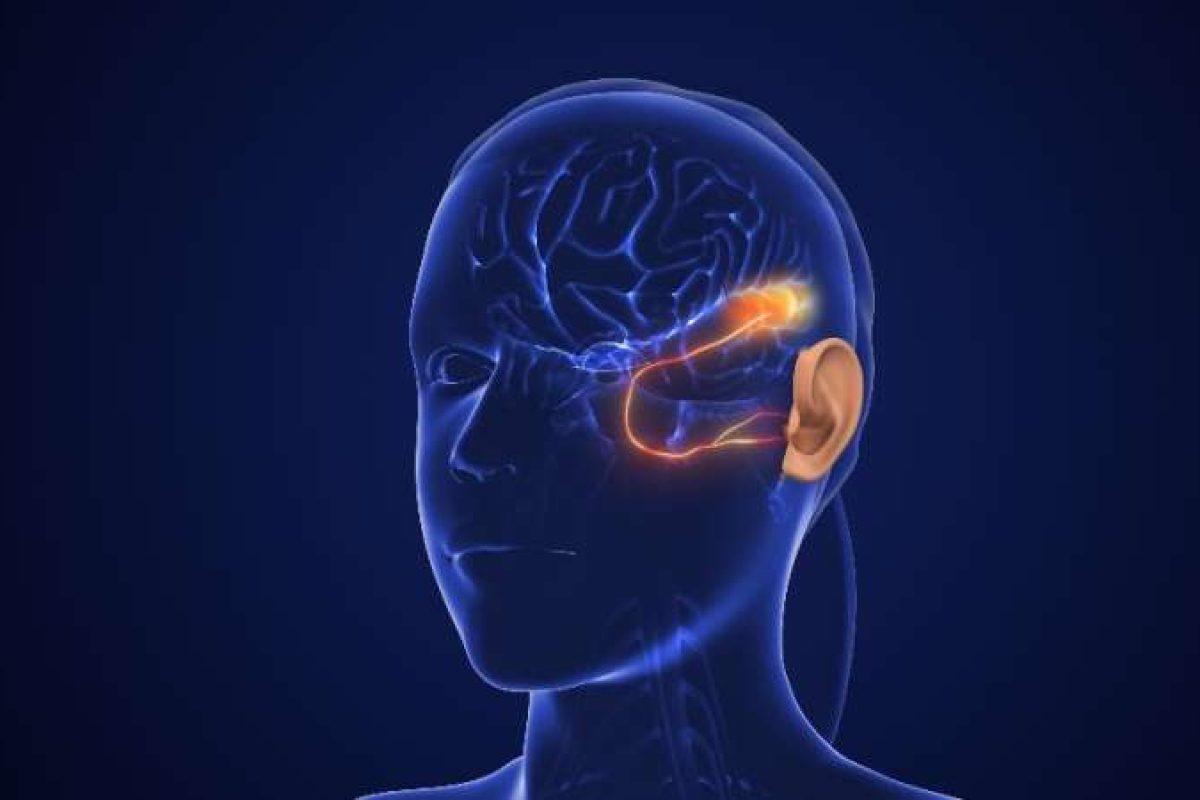
Auditory neuropathy is a challenging hearing disorder in which the auditory nerve cells are damaged or lost, meaning that the communication pathway from the ear to the brain is disrupted.
Currently, auditory neuropathy remains a significant challenge in audiology, and treatment options are limited. Cell-based therapy aims to replace lost or damaged auditory nerve cells.
By repopulating the cochlea with functional, transplanted auditory neurons, this approach may restore hearing and enhance the effectiveness of a cochlear implant in certain individuals with severe-to-profound hearing loss.
Diana Turner, Senior Digital Content Editor, DDW