
Globin-Switching drug reduces sickle cell disease symptoms
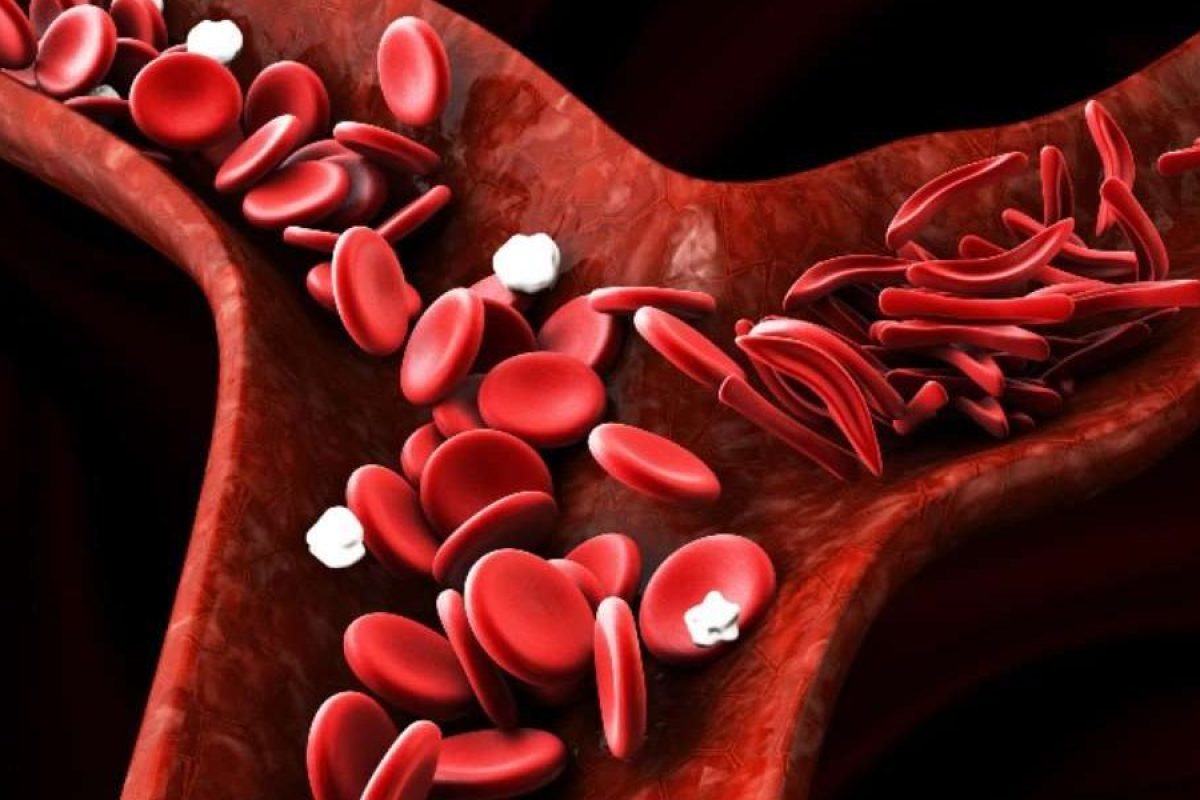
Biotech Cellarity has dosed its first patient in a Phase I clinical trial of CLY-124, a first-in-class Globin-Switching oral medicine designed to treat sickle cell disease (SCD).
“Initiation of our first-in-human clinical study for CLY-124 represents the delivery of our first clinical asset from our platform with the potential for transformative improvement in care for individuals suffering from sickle cell disease. The novel mechanism of CLY-124, which naturally increases foetal haemoglobin through Globin-Switching, could address pain, anaemia, and other symptoms to improve organ function and quality of life,” said Cameron Trenor, Cellarity’s Chief Medical Officer.
“Our strong body of preclinical evidence suggests CLY-124 may offer best-in-class foetal haemoglobin production without the cytotoxicity associated with conventional therapies, and importantly, could be accessible to all patients through a once-daily oral pill.”
Reactivation of foetal haemoglobin (HbF) has been shown to reduce SCD disease burden (every 1% increase in HbF leads to 4-6% reduction in pain crisis rates, and prior studies have indicated 20% HbF could effectively resolve disease symptoms when achieved pan-cellularly).
Standard of care therapy today induces HbF to improve disease symptoms yet carries dose-limiting cytotoxicity. CLY-124 is an oral therapeutic designed to treat SCD by increasing HbF via a non-cytotoxic mechanism of action.
It was created using single-cell transcriptomics mapping and AI modelling, which revealed an undiscovered target controlling the Globin-Switching mechanism.
CLY-124 inhibits post-translational modification of an upstream protein complex distinct from other approaches that bind DNA or target transcription factors directly. The resulting profile of CLY-124 aims to deliver a highly potent clinical benefit in an oral format with a differentiated mechanism of action and safety profile.
In preclinical studies using clinically-translatable human cell models, CLY-124 increased foetal haemoglobin above 20%, with no evidence of cytotoxicity.
Diana Turner, Senior Digital Content Editor, DDW