
Standing up for the AI ‘small guys’

DDW’s Megan Thomas speaks with Dr Raminderpal Singh ahead of his participation in the DDW ‘Concept to Cure’ track at SLAS2025: Curiosity and Lab Automation in Drug Discovery.
SLAS as an organisation
Having collaborated with numerous global organisations over the years, Dr Singh finds SLAS particularly forward-thinking. “You can see SLAS is pushing the envelope,” he says, citing his work with large language models as an example. “In the lab world, you’re dealing with machines, ingredients, processes, data, and data connectivity. SLAS is smart enough to look further down the road—toward where their exhibitors and audience are heading. It’s exciting to be part of something that keeps track of the ‘N+1.’”
SLAS as an event
When asked about the value of SLAS events, Dr Singh highlights their size and influence. “It’s big, and you’ve got critical mass,” he says. “That’s how you shake the tree and make an impact—by gathering the right people in the room.”
Dr Singh also praises the thoughtful approach behind SLAS events, particularly the new NexusXp initiative at the 2025 conference. “They didn’t have to do this—they could still attract people, exhibitors, and brands without it. But they chose to address topics people should be thinking about, even if they’re not. They’re willing to take risks, be bold, and make a lasting impact.”
The convergence of wet and dry labs
“The biggest shift is the integration—or the potential for integration—between wet and dry labs,” Dr Singh observes. Scientists are now combining computational data science models with traditional lab processes.
He explains: “A ‘future lab’ is not just a wet lab; it’s a unified space. If you look at the data sets, they’re not so different.”
He cites modern scanning machines as an example. “Advanced optics in these machines already incorporate a lot of AI, enabling better readouts. The potential for even more analytical power can be built into the lab’s data flows.”
Comparing the lab industry to the automotive sector, Dr Singh notes: “Defining a car today is far more complex than it was 10 or even 30 years ago. Similarly, lab workflows will undergo several evolutionary cycles before achieving true unification.”
Hitchhiker’s AI
Hitchhiker’s AI is a non-profit impact community aimed at accelerating the adoption of AI/ML in drug discovery and development. Dr Singh says the initiative focuses on “batting for the small guys.”
“The big companies will always find their way, but true innovation often comes from the small players. In life sciences, the big players license biological assets from smaller companies because the smaller ones take the risks. They raise funding, and if successful, reap the rewards through ‘biobucks’.’”
Dr Singh explains that small biotechs face unique challenges. “Big companies have the resources, branding, and support to succeed. Smaller companies struggle to engage scientists, prove their offerings, and make them commercially viable. Without attention, innovation—both in compounds and in new computational technologies—gets stifled.”
Ethical considerations
Dr Singh identifies two key areas of ethical concern as AI technologies become more prevalent: regulatory issues and human impact.
“If I’ve got personal data, I worry about it. If I’m accessing personal data,
I worry about it,” he says. His work with large language models often involves autonomous agents—small code blocks that leverage AI to perform tasks traditionally done by humans. “These models are black boxes inferring things. You have to consider the implications.”
Dr Singh highlights a disparity in regulatory priorities. “In drug discovery, efficacy is weighed against toxicity. Early pathway analysis estimates this ratio, but AI workflows don’t think in those terms. Regulatory bodies like the FDA focus primarily on minimising toxicity without heavily weighing efficacy until the final approval stage. This creates challenges.”
He compares these issues to the scrutiny surrounding TikTok, particularly its influence on user behaviour. “Advanced AI systems like large language models are inferential and stochastic, meaning their actions can sometimes be unpredictable—like managing an erratic employee. This creates inherent challenges.”
From DDW Volume 26 – Issue 1, Winter 2024/25 Read the digital issue
Biography:
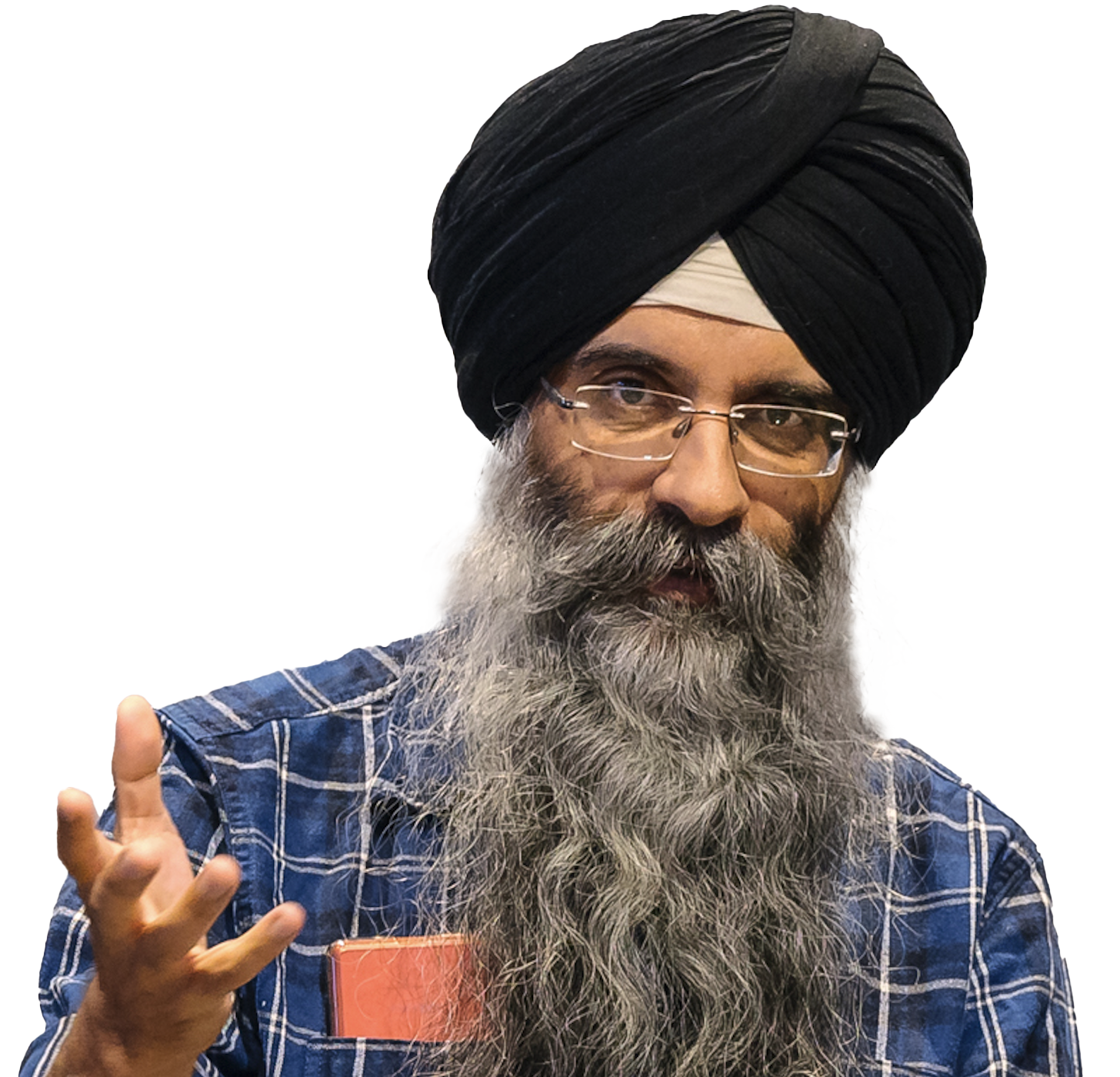 Dr Raminderpal Singh is a renowned visionary in AI and GenAI applications across technology and science industries. With over 30 years of global experience, he has helped early to mid-stage companies achieve breakthroughs through computational modeling. His accomplishments include leading Watson Genomics to market for IBM Research.