
Antibody platform overcomes mutational escape in Covid-19
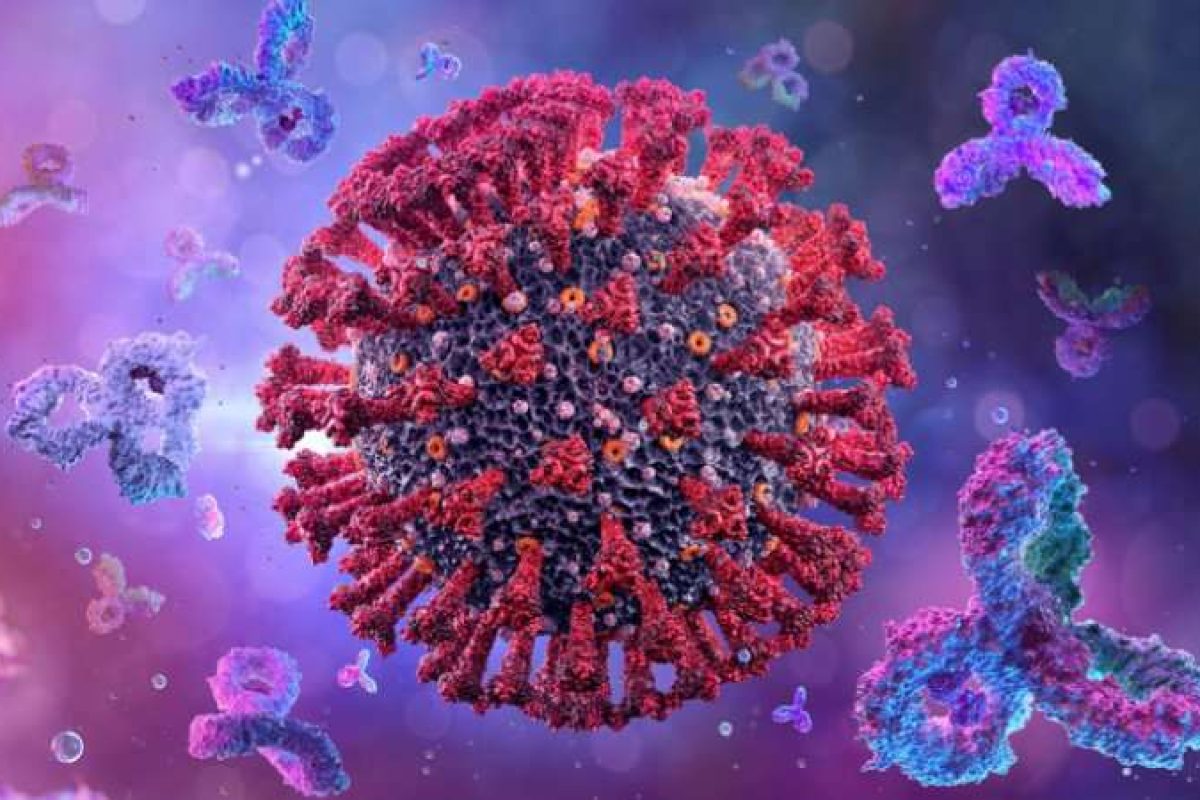
Scientists have developed a unique antibody platform to tackle the challenges of treating rapidly evolving viruses like SARS-CoV-2 due to their ability to mutate and evade therapies.
Their findings introduce the Adaptive Multi-Epitope Targeting and Avidity-Enhanced (AMETA) Nanobody Platform.
Dr Yi Shi, Associate Professor of Pharmacological Sciences at Icahn Mount Sinai, and his team created AMETA to simultaneously target multiple stable regions of the virus that are less likely to mutate using engineered nanobodies.
This multi-targeting strategy, paired with a significant boost in binding strength, provides a more durable and resilient defence against evolving viruses, say the researchers.
“Mutational escape in SARS-CoV-2 has been a persistent challenge, with current vaccines and treatments struggling to keep pace with the virus’s rapid evolution,” said Dr Shi. “Most therapeutic antibodies target a single viral site and lose effectiveness within a year as new variants appear. AMETA, however, is designed to bind to multiple conserved regions of the virus at once, making it much harder for resistance to develop. This platform can potentially be adapted for other fast-mutating pathogens, offering a durable and adaptable approach to managing infectious diseases globally.”
A million times greater potency
AMETA works by attaching specialised nanobodies to a human IgM scaffold, which is a part of the immune system’s natural defence structure that helps fight infections.
This allows AMETA to display more than 20 nanobodies at once, significantly boosting its ability to bind to the virus, say the investigators, offering up to a million times greater potency compared to antibodies that focus on a single target.
Both lab tests and experiments in mice have shown that AMETA constructs are highly effective against a range of SARS-CoV-2 variants, including the heavily mutated Omicron sublineages and even the closely related SARS-CoV virus, according to the scientists.
Collaborating with researchers from the University of Oxford and Case Western Reserve University, the team used cryo-electron microscopy and cryotomography to reveal that AMETA neutralises the virus through several unexpected mechanisms. These include clumping viral particles together, binding to key regions of the spike protein, and disrupting the spike’s structure in ways not seen in other antiviral treatments, preventing the virus from infecting cells.
“Our goal with AMETA is to create a long-lasting platform that overcomes the fast-evolving properties of viral pathogens,” said Adolfo Garcia-Sastre, co-senior author of the study, Irene and Dr Arthur M Fishberg Professor of Medicine, and Director of the Global Health and Emerging Pathogens Institute at Icahn Mount Sinai. “This platform is not just a solution for Covid-19 but could also serve as a framework for combating other rapidly mutating human microbes, like HIV, and for protection from future emerging viruses, including influenza viruses with pandemic potential.”
With its modular structure, the researchers say AMETA also enables rapid and cost-effective production of new nanobody constructs, making it an ideal candidate for addressing future pandemics.
Diana Spencer, Senior Digital Content Editor, DDW