
New data support CAR-T therapy in neuroinflammatory diseases
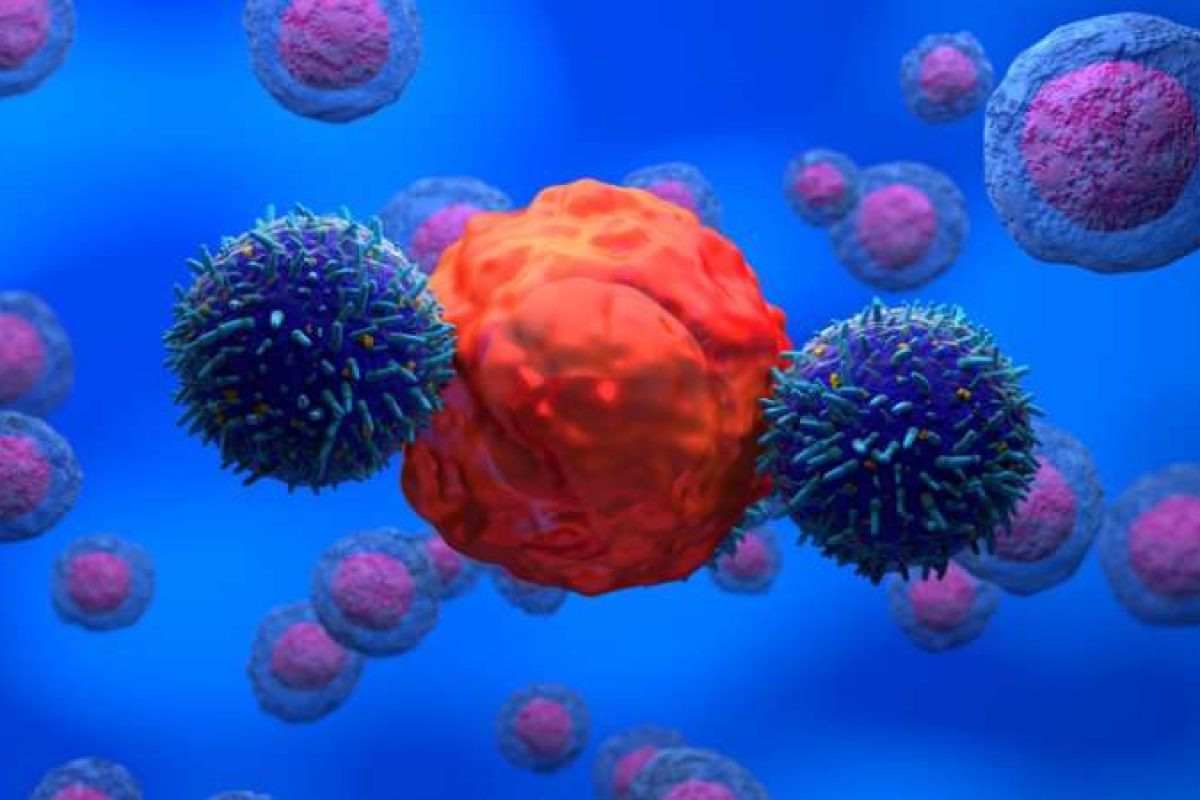
Kyverna Therapeutics has revealed continued positive results for its CAR-T therapy KYV-101 in B cell-driven autoimmune diseases.
The clinical trial results and case studies were presented in posters and a company-sponsored symposium at the 40th Congress of the European Committee for Treatment and Research in Multiple Sclerosis (ECTRIMS).
The case reports demonstrate disease modification across trials and durability in some patients extending beyond one year and a well-tolerated safety profile.
“The new data contribute to redefine treatment efficacy and support the safety profile of KYV-101,” said Ralf Gold, Professor of Medicine, Chair of Neurology at Ruhr University Bochum, St Josef Hospital, in Germany, and one of the presenters at the company’s symposium. “By rapidly adding new data across a wide spectrum of severe neuroinflammatory diseases, we can hope to accelerate the development of potentially life-changing therapies.”
KYV-101 is currently being evaluated in three Phase II trials in neuroinflammatory diseases: KYSA-6 in myasthenia gravis, KYSA-7 in multiple sclerosis and KYSA-8 in stiff-person syndrome.
Warner Biddle, Chief Executive Officer at Kyverna, commented: “As we continue to build on KYV-101’s leading position in stiff-person syndrome and myasthenia gravis with these results, we are additionally excited by promising case reports in multiple sclerosis, which represents a significant population with high unmet need. Altogether, these results continue to reinforce the broad potential of KYV-101 to durably modify debilitating symptoms of severe neuroinflammatory diseases, and generate insights that will allow us to bring transformative CAR T treatments to even more patients.”
Case reports for KYV-101
In stiff-person syndrome, two patients treated with KYV-101 have demonstrated improved mobility and/or walking speed and reduced autoantibody titres, including one patient at greater than one year post-infusion. A third patient demonstrated reduced autoantibody titres but does not yet have mobility scores available.
In myasthenia gravis, three patients treated with KYV-101 have shown reduced pathogenic anti-AChR antibody titres and sustained disease control, including two patients at more than one year post-infusion and all three at greater than eight months post-infusion.
In multiple sclerosis, five patients treated with KYV-101 who failed prior anti-CD20 medications have shown a significant and unprecedented average reduction in oligoclonal bands in the central nervous system (CNS), a potential surrogate biomarker for reduced disease progression.
Across 41 autoimmune disease patients treated to date with KYV-101, no severe cytokine release syndrome (CRS) or immune effector cell-associated neurotoxicity syndrome (ICANS) has been observed.
Diana Spencer, Senior Digital Content Editor, DDW