
Positive results for neurotrophin-3 inhibitor in osteoarthritis
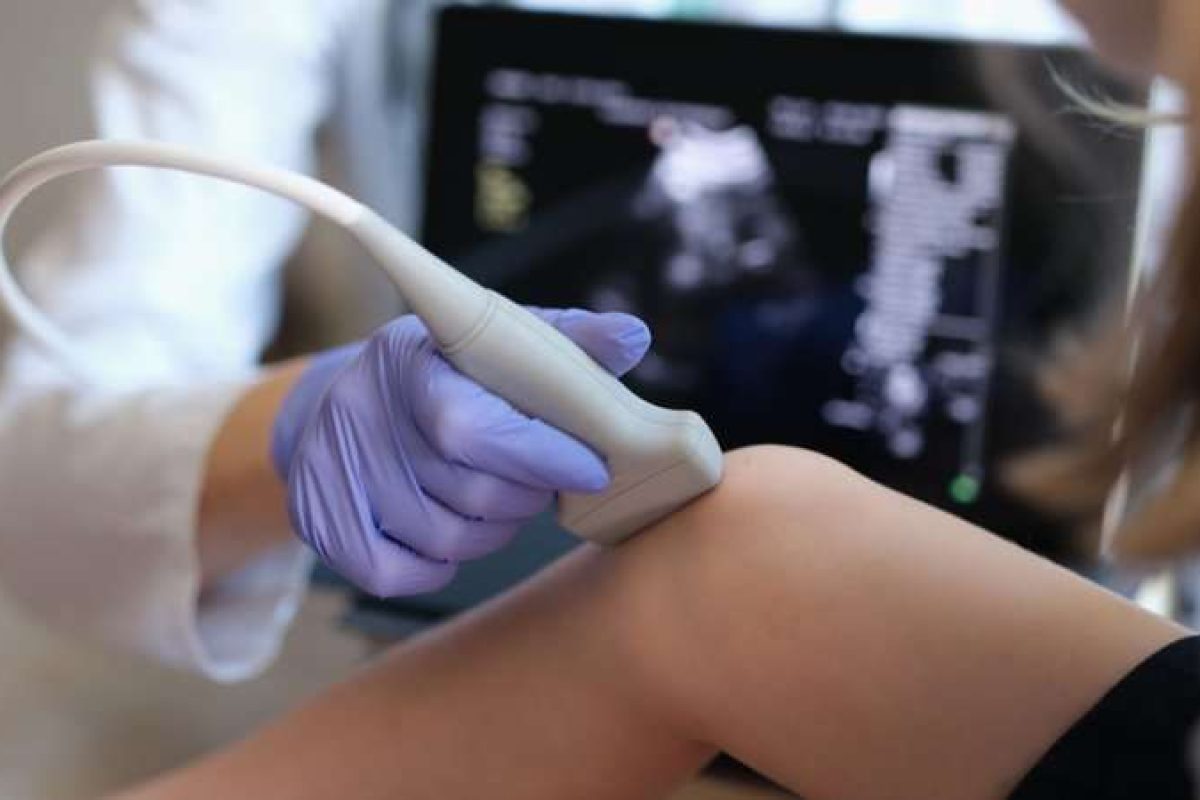
Phase II trial results for Levicept’s LEVI-04, a novel and first in class neurotrophin-3 (NT-3) inhibitor, have shown that the drug was highly effective and well tolerated.
The study enrolled more than 510 participants with pain and disability due to osteoarthritis of the knee. It was led by Professor Philip Conaghan from the University of Leeds and Leeds Teaching Hospitals NHS Trust, UK.
The primary endpoint was WOMAC pain assessment (change from baseline at Week 17). The mean reduction in WOMAC pain score from baseline was greater than 50% for all three doses of LEVI-04 and all statistically different to placebo.
Secondary endpoints were WOMAC subscales of function and joint stiffness, patient global assessment and daily pain scores and all statistically different to placebo.
Professor Conaghan said: “These results are truly exceptional and clinically meaningful in their extent. In this trial, LEVI-04 has demonstrated the potential to safely harness the analgesic properties of neurotrophin-3 inhibition and offer a vital new treatment option to millions of patients in huge need. If Phase III trials replicate these results, LEVI-04 would represent a major break-through for osteoarthritis treatment, and with substantial potential in other pain indications.”
LEVI-04 is a proprietary p75 neurotrophin receptor fusion protein (p75NTR-Fc) that provides analgesia via inhibition of NT-3 activity and returns neurotrophin homeostasis by supplementing the endogenous p75NTR binding protein to scavenge excess neurotrophins present in chronic pain states.
Simon Westbrook, Founder and CSO of Levicept, commented: “The discovery of LEVI-04 harnessed the power of evolution to design a molecule that supplements the endogenous NT regulator, soluble p75NTR. LEVI-04 provides analgesia via inhibition of neurotrophin-3, while avoiding the use-limiting side effects of anti-NGF antibodies, including rapidly progressive of osteoarthritis. LEVI-04 retains the important trophic effects of the neurotrophins, including joint re-modelling.”
Diana Spencer, Senior Digital Content Editor, DDW