
Recombinant polyclonal drug trial for HBV gets FDA green light
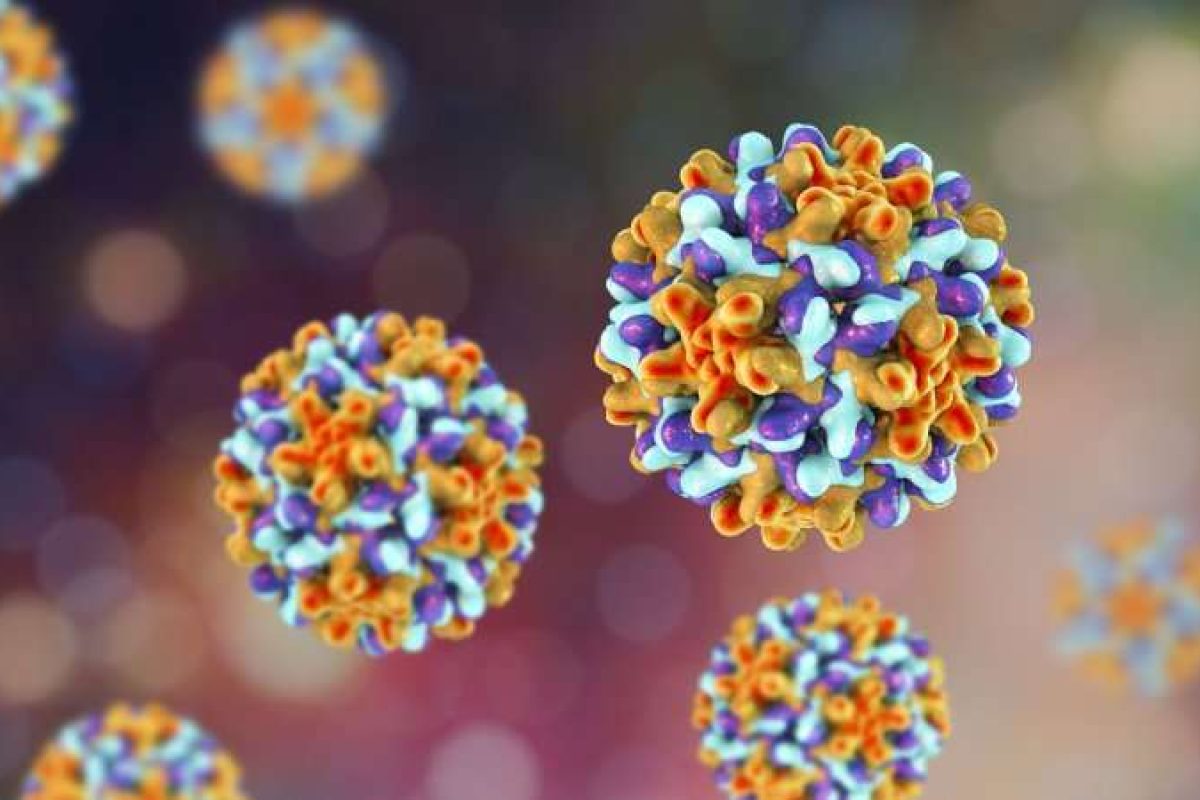
The US Food and Drug Administration (FDA) has cleared GigaGen’s application to initiate a Phase I trial of its polyclonal drug for the treatment of hepatitis B virus (HBV) infection, GIGA-2339.
It is the first recombinant polyclonal therapeutic in development to treat and functionally cure chronic HBV infection.
Carter Keller, Senior Vice President of Grifols and Head of GigaGen, said: “Patients experiencing chronic HBV live with ongoing complications and commonly progress to hepatocellular carcinoma and cirrhosis. With over 1,000 different HBV-targeted antibodies in the mixture, GIGA-2339 is unlike any therapy currently in development. We look forward to initiating our trial in late 2024 and showcasing the clinical potential of our recombinant polyclonal antibody platform, starting with HBV.”
Despite currently available therapies and vaccines, HBV affects more than 296 million people worldwide, resulting in more than 800,000 deaths each year. Currently there is no cure, as existing drugs can halt viral replication but only minimally reduce the levels of viral protein.
GIGA-2339 consists of more than 1,000 anti-HBV antibodies developed in the laboratory by capturing and then reproducing the natural antibody response from donors who have been vaccinated against HBV.
According to the company, GIGA-2339 is over 2,000 times more potent than plasma-derived HBV drugs and covers the large diversity of circulating HBV variants.
In mouse models, GIGA-2339 neutralised and cleared HBV’s viral DNA along with its antigens. Through this unique mechanism of action, GIGA-2339 has the potential to clear viral particles and activate the immune response to provide functional cure for people living with HBV.
The Phase I dose escalation clinical trial is designed to assess the safety and tolerability of GIGA-2339 in patients with confirmed HBV infection.
Diana Spencer, Senior Digital Content Editor, DDW