
Study shows osteoarthritis could be reversible
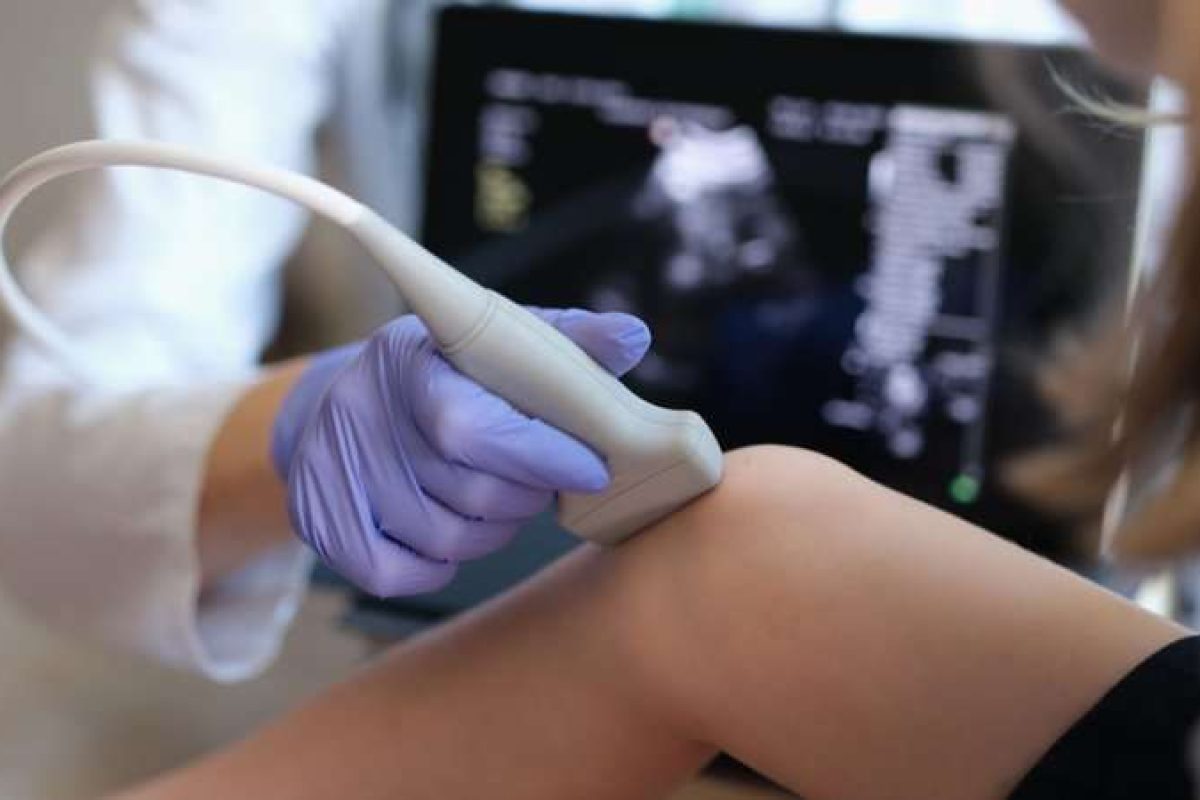
Osteoarthritis may be treatable and reversible, according to a new University of Adelaide study.
The researchers have discovered a novel population of stem cells – marked by the Gremlin 1 gene – responsible for the progression of osteoarthritis.
Treatment with fibroblast growth factor 18 (FGF18) stimulated the proliferation of Gremlin 1 cells in joint cartilage in mice, leading to significant recovery of cartilage thickness and reduced osteoarthritis.
Gremlin 1 cells present opportunities for cartilage regeneration and their discovery will have relevance to other forms of cartilage injury and disease, which are notoriously challenging to repair and treat.
“The findings of our study reimagine osteoarthritis not as a ‘wear and tear’ condition but as an active, and pharmaceutically reversible loss of critical articular cartilage stem cells,” said the University of Adelaide’s Dr Jia Ng from the Adelaide Medical School, who co-led the study.
“With this new information, we are now able to explore pharmaceutical options to directly target the stem cell population that is responsible for the development of articular cartilage and progression of osteoarthritis.”
This new understanding could lead to a pharmaceutical treatment that reverses osteoarthritis and helps to address health outcomes associated with the disease.
“Known comorbidities of osteoarthritis include heart, pulmonary, and kidney disease, mental and behavioural conditions, diabetes, and cancer,” said Dr Ng. “Our study suggests that there may be new ways to treat the disease rather than just the symptoms, leading to better health outcomes and quality of life for people who suffer from osteoarthritis.”
Though this discovery is currently limited to animal models, human trials are underway.
Results of a five-year clinical trial study using FGF18, known clinically as Sprifermin, were published in 2021 with potential long-term clinical benefit and no safety concerns. A Phase III trial of Sprifermin trial is ongoing, and researchers envision public access to this treatment soon.