
Study identifies new E3 ligase for targeted protein degradation
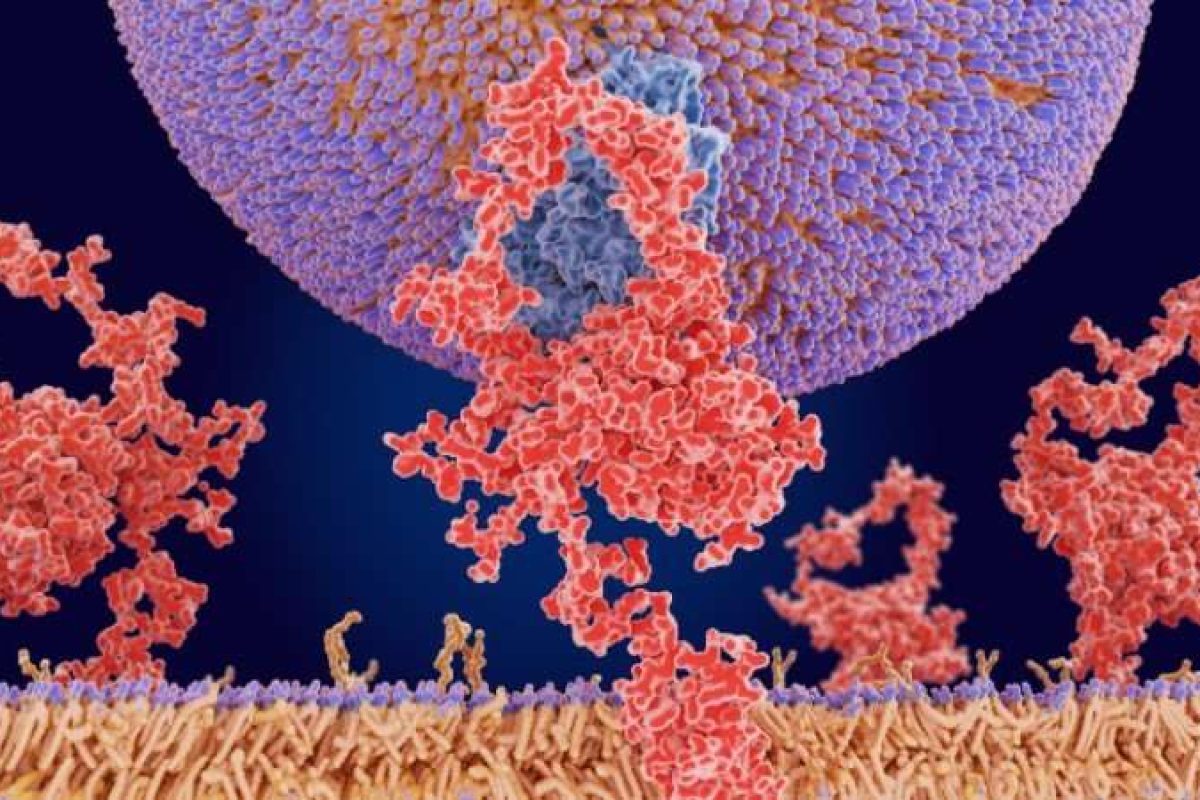
A new study in Structure, a Cell Press journal demonstrates that DCAF2 can be harnessed as a novel E3 ligase for targeted protein degradation (TPD).
The authors say DCAF2 presents an exciting opportunity to deliver tumour-targeted protein degraders given its frequent overexpression in various types of cancer.
In addition, this work expands the small repertoire of E3 ligases that can be used to degrade proteins, offering new possibilities for developing precision cancer treatments by selectively eliminating disease-causing proteins, including proteins once considered undruggable.
“While more than 600 E3 ligases exist in the human proteome, we have utilised only a few so far, such as VHL and cereblon, for TPD,” said Weiru Wang, Executive Director of Protein Sciences and Structural Biology and lead study author at Frontier Medicines.
“Demonstrating that DCAF2 can be harnessed for this purpose is a major step forward for protein degradation, and for Frontier, as it aligns with our mission to unlock new ways to fight cancer and drug the undruggables. This is a compelling example of how our platform enables us to see more deeply into the proteome and develop novel ways to hit difficult targets.”
The study leveraged the Frontier Platform, as well as advanced cryogenic electron microscopy, to present the first reported structures of the DCAF2 complex in both its apo and liganded state.
The team discovered DCAF2 can covalently and selectively bind to small molecules and cause the degradation of other proteins, opening up a novel target site for TPD and a new avenue for the development of therapeutic bifunctional degraders and molecular glues that leverage DCAF2.
Diana Turner, Deputy Editor, DDW