
Research reveals an immune cell that can kill all cancers
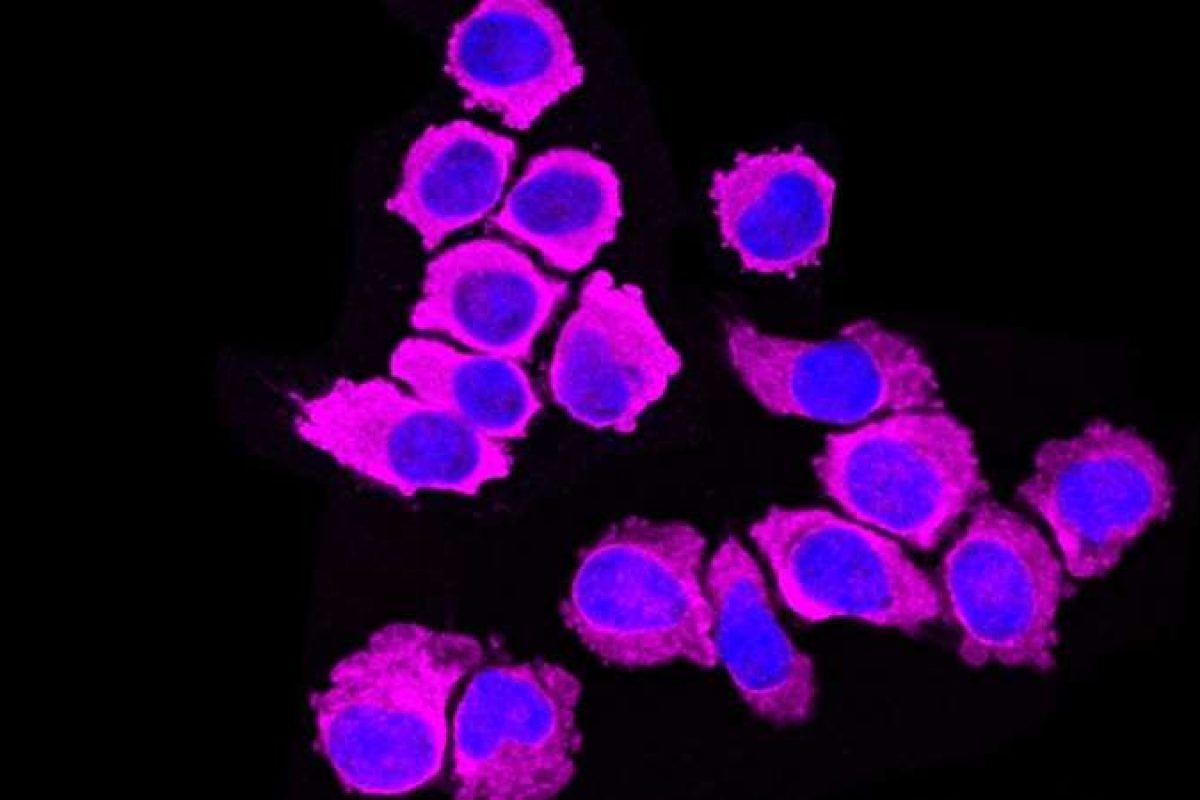
Researchers in the US have discovered that a type of immune cell in the human body known to be important for allergy and other immune responses can also attack cancer.
Furthermore, these cells, called human type 2 innate lymphoid cells (ILC2s), can be expanded outside of the body and applied in larger numbers to overpower a tumour’s defenses and eliminate malignant cells in mouse models with cancer.
“The City of Hope team has identified human ILC2 cells as a new member of the cell family capable of directly killing all types of cancers, including blood cancers and solid tumours,” said Jianhua Yu, a professor in the Department of Hematology & Hematopoietic Cell Transplantation at City of Hope and the study’s senior author.
“In the future, these cells could be manufactured, preserved by freezing, and then administered to patients. Unlike T cell-based therapies, such as CAR-T cells, which necessitate using the patient’s own cells due to their specific characteristics, ILC2s might be sourced from healthy donors, presenting a distinct potential therapeutic approach as an allogeneic and ‘off-the-shelf’ product.”
In previous research focused on mouse cells, ILC2s had not consistently shown promise when tested for their cancer-killing abilities. However, in this study, researchers prioritised the examination of human cells and found that human ILC2s do not work the same as mouse ILC2s.
“We aim to really expand the applications of these findings, potentially beyond cancer treatments,” Yu said, noting that ILC2s may even work against viruses, such as Covid-19. “Additionally, we are working towards translating our discovery into tangible clinical benefits.”
Top image shows: City of Hope researchers discovered that ILC2s, pictured here, can attack cancer cells. Source: City of Hope