
Initial data from Phase I/II trial of base editing therapy at ESGCT
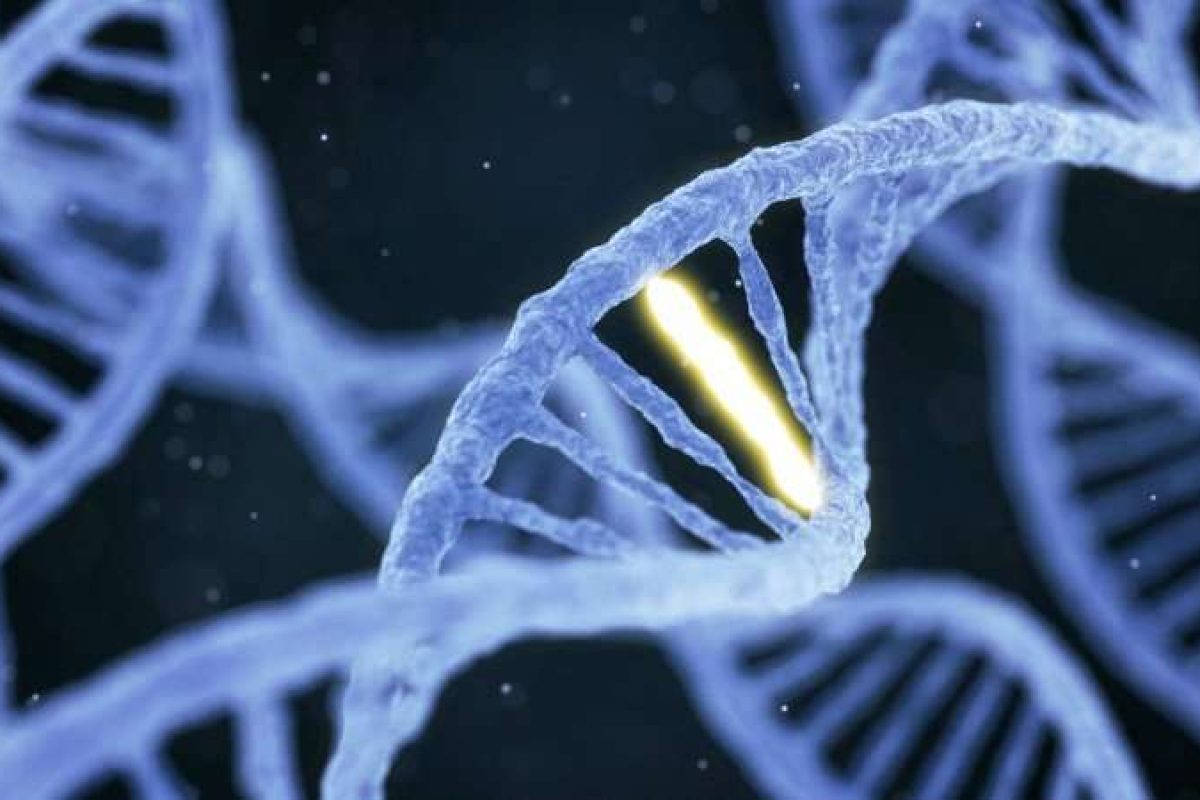
Beam Therapeutics will present initial data from the ongoing Phase I/II clinical trial evaluating BEAM-301 for the treatment of glycogen storage disease type Ia (GSDIa) at the 33rd Annual Congress of the European Society of Gene and Cell Therapy (ESGCT).
BEAM-301 is a liver-targeting lipid-nanoparticle (LNP) formulation of base editing reagents designed to correct the R83C mutation, one of the most prevalent disease-causing mutations in GSDIa and one that is associated with the most severe form of the disease.
As of the June 2026 data cutoff, six patients received a single intravenous infusion of BEAM-301, including three patients treated with 20mg and three patients treated with 40mg.
BEAM-301 demonstrated an acceptable safety profile that was consistent with LNP-based therapies.
Dose-dependent improvements in time to fasting hypoglycaemia (TTH) were observed. At baseline, median TTH was 2.9 hours in the 20mg cohort and 2.5 hours in the 40mg cohort. By Day 36, median TTH increased to 4.3 hours in the 20mg cohort, while both evaluable patients in the 40mg cohort achieved the protocol-defined maximum controlled fasting duration of ≥15 hours, consistent with restored endogenous glucose production.
Restoring endogenous glucose production
Reductions in prescribed daily starch intake were observed following treatment with BEAM-301. Decreases from baseline in prescribed daily starch intake guided by continuous glucose monitoring were 74% (Day 128), 71% (Day 227), and 11% (Day 387) in the 20mg cohort, and 71% (Day 50) and 92% (Day 93) in the 40mg cohort. Corresponding daily starch doses decreased by 0–4 and 2–4 doses/day in the 20mg cohort and the 40mg cohort (baseline: 6–7 and 5–6 doses/day), respectively. Triglyceride levels were comparable to baseline at last follow-up.
“People living with GSDIa face a relentless daily burden, including dependence on frequent starch administration, even throughout the night, to maintain glucose levels and prevent life-threatening hypoglycaemia,” said Dr Amy Simon, Chief Medical Officer of Beam. “These initial data provide the first clinical evidence suggesting that BEAM-301, a base editing therapy designed to directly correct an underlying disease-causing mutation in patients with GSDIa, restored endogenous glucose production following a single in vivo treatment.”