
Do JAK inhibitors increase the risk of serious adverse events?
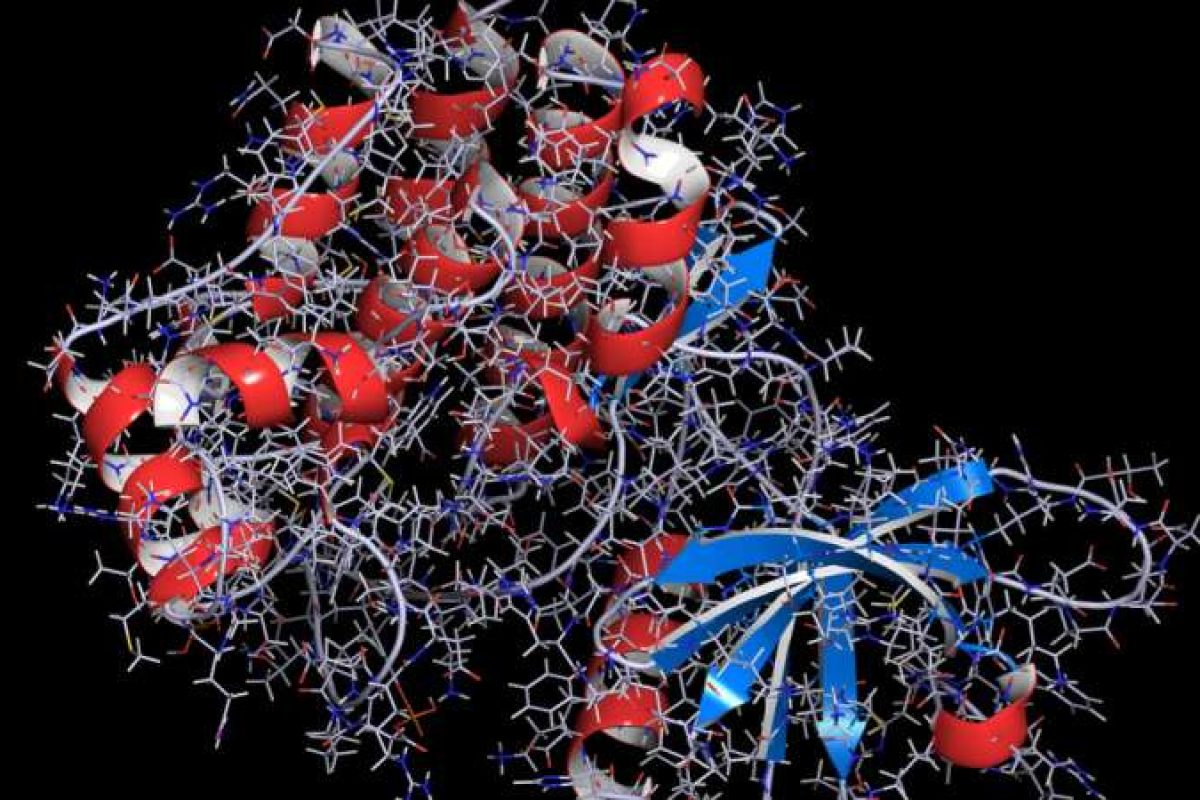
South Korean researchers have found that the use of Janus kinase (JAK) inhibitors as a treatment for atopic dermatitis (AD) is not associated with a greater risk of serious adverse events.
While several biologic treatment approaches have been proposed in the recent years for the treatment of AD, they often fall short of providing the required care in relieving symptoms of moderate-to-severe AD.
A promising treatment option, JAK inhibitors act by blocking the JAK family kinases and inhibiting the inflammatory pathways involved in AD and other inflammatory diseases.
Ten JAK inhibitors have been approved by the Food and Drug Administration (FDA) to treat diseases like rheumatoid arthritis, ankylosing spondylarthritis, Covid-19, and AD, among others. However, the FDA also issued a boxed warning to include the risk of major adverse events.
A group of researchers from Pusan National University led by Associate Professor Yun Hak Kim, affiliated with the university’s Department of Anatomy and Department of Biomedical Informatics, conducted an extensive analysis of randomised controlled trials (RCTs) involving JAK inhibitors in patients with AD.
They reviewed the available safety data and analysed the risk of 11 adverse events from 14 RCTs published between 2019 and 2022.
Their analysis revealed that the relative risk of developing herpes zoster, headache, acne, elevated blood creatinine phosphokinase and nausea increased among patients treated with JAK inhibitors. However, the incidence of serious conditions did not increase significantly.
“The comprehensive safety analysis revealed that, contrary to concerns regarding malignancy, venous thromboembolism, and major adverse cardiac events, use of JAK inhibitors was not associated with a significant increase in the overall risk in patients with AD. Therefore, we believe that understanding and managing common adverse events is the need of the hour, particularly those like headache, acne, and nausea, among others,” explained Professor Kim.